
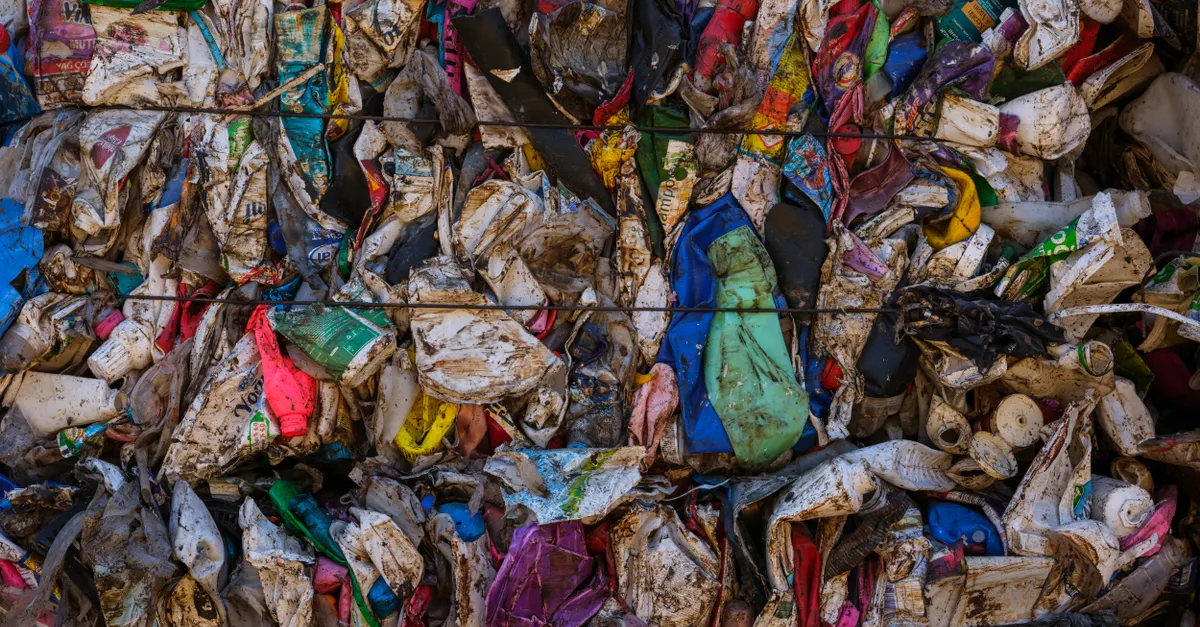
The use of recycled materials in construction has become a focal point for builders, architects, and developers seeking both economic and environmental advantages. As sustainability becomes a core objective in the building industry, understanding the impact of recycled materials on building costs is crucial for making informed decisions. This article explores how these materials influence project budgets, the economic incentives and challenges involved, and what the future may hold for eco-friendly construction practices.

Understanding Recycled Materials in Construction
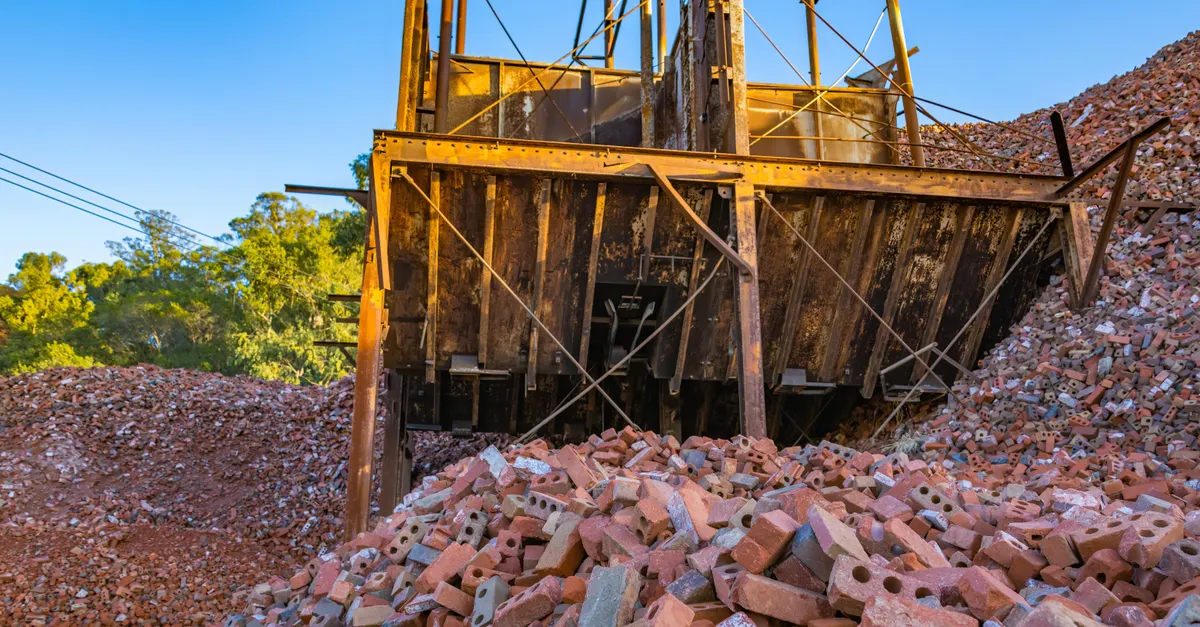
In the context of construction, recycled materials refer to substances that have been previously used in other structures or products and are repurposed for new building projects. Common examples include reclaimed wood, recycled steel, crushed concrete, and repurposed glass. These materials are sourced from demolition sites, manufacturing byproducts, or post-consumer waste. Their integration into new builds reduces the demand for virgin resources and supports a more circular economy within the construction sector.
Recycled materials are valued not only for their environmental benefits but also for their potential to reduce construction costs. However, the degree to which they affect budgets depends on several factors, including material availability, processing requirements, and project scale.
Economic Benefits of Using Recycled Materials
One of the main drivers behind the adoption of recycled materials is the potential for cost savings. According to the U.S. Environmental Protection Agency, construction and demolition (C&D) materials can be diverted from disposal and managed into new productive uses, which avoids the need to mine and process virgin materials. This diversion can lead to lower material acquisition costs, especially for large-scale projects where bulk purchasing of recycled aggregates or metals is possible.
Some of the economic advantages include:
- Reduced raw material costs: Recycled materials often come at a lower price point compared to new, especially when sourced locally.
- Lower disposal fees: By reusing materials from demolition or renovation, builders can decrease the volume of waste sent to landfills, reducing associated fees.
- Potential tax incentives: In some regions, governments offer financial incentives or credits for using eco-friendly materials in construction projects.
For those interested in exploring more about recycled materials for home building, there are resources detailing innovative options and their applications in residential projects.
Challenges and Limitations: The Cost Side of Recycled Materials
While the benefits are significant, there are also notable cost challenges and limitations associated with using recycled materials in construction. These challenges can influence the overall impact of recycled materials on building costs and should be carefully considered during project planning.
- Variable quality and consistency: Recycled materials may not always meet the same standards as new products, leading to additional testing or processing costs.
- Supply chain limitations: The availability of high-quality recycled materials can be inconsistent, especially in regions without established recycling infrastructure.
- Processing and transportation: Some recycled materials require extra processing to meet safety or performance standards, which can offset initial cost savings. Transportation costs may also rise if materials need to be sourced from distant locations.
- Design and engineering adjustments: Incorporating recycled materials may necessitate changes in design or construction methods, potentially increasing labor or consultation expenses.
According to research from the Circuit Project, reusing and recycling construction materials reduces resource use and the carbon intensity of the built environment. However, these environmental gains can sometimes come with upfront financial investments, particularly when adapting to new supply chains or technologies.
Pros:
- Reduces demand for virgin resources
- Lowers landfill waste and disposal costs
- Can attract eco-conscious clients and investors
Cons:
- Potentially higher initial processing costs
- Quality assurance challenges
- Possible delays due to material availability
Long-Term Financial Impacts and Lifecycle Costs
Beyond immediate savings or expenses, the long-term financial impacts of using recycled materials are a key consideration. Lifecycle cost analysis examines the total cost of ownership, including initial construction, maintenance, operation, and eventual demolition or renovation.
Buildings constructed with recycled materials may benefit from:
- Lower maintenance costs: Some recycled products, such as recycled steel or composite decking, offer durability and resistance to pests or rot, reducing long-term repair expenses.
- Improved energy efficiency: Materials like recycled insulation or glass can enhance a building’s thermal performance, leading to lower utility bills over time.
- Higher resale value: Eco-friendly buildings often command a premium in the real estate market due to growing demand for sustainable properties.
- Reduced end-of-life costs: Structures designed for deconstruction and material recovery can minimize demolition expenses and generate value from salvaged components.
However, it is important to weigh these potential benefits against any upfront costs and to consider the specific context of each project. For example, if recycled materials are scarce or require significant adaptation, the payback period may be longer than anticipated.
Comparing Recycled and New Materials: Cost and Sustainability
When evaluating the impact of recycled materials on building costs, a direct comparison with new materials is essential. In some cases, recycled options are less expensive, particularly when local sources are available and processing requirements are minimal. In other situations, the costs may be comparable or even higher, especially if specialized handling or certification is needed.
From a sustainability perspective, the use of recycled materials supports reduced resource consumption and a lower carbon footprint. This not only benefits the environment but can also enhance a company’s reputation and eligibility for green building certifications, which may open doors to additional funding or project opportunities.
Conclusion and Future Outlook
The integration of recycled materials into construction projects offers a complex mix of financial and environmental outcomes. While there are clear economic benefits, such as reduced raw material and disposal costs, there are also challenges related to quality, supply chain logistics, and upfront investments. As recycling technologies advance and demand for sustainable buildings grows, it is likely that the cost-effectiveness and availability of recycled materials will continue to improve.
Looking ahead, the construction industry is poised to further embrace recycled materials, driven by regulatory incentives, market demand, and the ongoing pursuit of sustainability. Builders and developers who understand both the opportunities and limitations will be best positioned to make informed, cost-effective decisions for their projects.
Frequently Asked Questions
How do recycled materials affect the overall cost of construction projects?
Recycled materials can lower overall construction costs by reducing the need for new raw materials and minimizing disposal fees. However, factors such as material quality, availability, and processing requirements can influence whether these savings are realized on a specific project.
What are the main challenges of using recycled materials in building?
The primary challenges include inconsistent material quality, limited supply in some areas, and potential increases in processing or transportation costs. Builders may also need to adjust designs or construction methods to accommodate recycled products.
Are there long-term financial benefits to using recycled materials?
Yes, buildings that incorporate recycled materials often experience lower maintenance and operational costs, improved energy efficiency, and higher resale value. These long-term benefits can offset some of the initial expenses associated with sourcing and preparing recycled materials.