

Sustainable design has become a central focus in architecture as the world faces increasing environmental challenges and resource constraints. By prioritizing ecological responsibility, architects can create buildings that minimize negative impacts on the environment while promoting occupant well-being and long-term economic value. Understanding the core sustainable design principles is essential for anyone interested in how architecture can contribute to a more resilient and resource-efficient future.

Understanding the Foundations of Sustainable Architecture
At its core, sustainable design in architecture refers to a holistic approach that seeks to reduce the environmental footprint of buildings throughout their entire life cycle. This involves careful consideration of site selection, energy and water use, material choices, and the health and comfort of occupants. Unlike general sustainable design, which may apply to products or graphics, architectural sustainability addresses the unique challenges of the built environment, including scale, longevity, and integration with natural systems.
The significance of sustainability in architecture lies in its potential to address pressing issues such as climate change, resource depletion, and urbanization. By adopting thoughtful strategies, architects can create spaces that are not only functional and beautiful but also environmentally responsible and adaptable to future needs.
Core Sustainable Design Principles in Architecture
Several guiding principles form the backbone of sustainable architectural practice. According to the U.S. Environmental Protection Agency, these include integrated design, energy performance optimization, water conservation, indoor environmental quality, material impact reduction, and building resilience. Each principle plays a vital role in shaping buildings that are both efficient and environmentally conscious.
Integrated Design Approach
Integrated design is a collaborative process that brings together architects, engineers, clients, and other stakeholders from the earliest stages of a project. This approach ensures that sustainability goals are considered at every step, from site analysis to material selection and systems integration. By fostering open communication and shared objectives, integrated design helps identify synergies and avoid conflicts that could undermine sustainability outcomes.
Energy Performance Optimization
Reducing energy consumption is a cornerstone of sustainable architecture. Strategies include maximizing natural daylight, improving insulation, using high-performance windows, and incorporating renewable energy sources such as solar panels. Advanced building management systems can further enhance efficiency by monitoring and adjusting energy use in real time. These measures not only lower operational costs but also reduce greenhouse gas emissions.
Water Conservation Strategies
Efficient water use is critical in sustainable buildings. Techniques such as rainwater harvesting, low-flow fixtures, and drought-tolerant landscaping help minimize water demand. Greywater recycling systems can further reduce potable water use by reusing water from sinks and showers for irrigation or flushing toilets. Thoughtful site planning also helps manage stormwater runoff, protecting local ecosystems.
Enhancing Indoor Environmental Quality
A healthy indoor environment supports the well-being and productivity of occupants. Sustainable design principles emphasize the use of non-toxic materials, effective ventilation, and access to natural light and views. These factors contribute to improved air quality, thermal comfort, and overall satisfaction for building users.
Material Impact Reduction
Selecting materials with low environmental impact is another key aspect of sustainability. This includes using products that are recycled, rapidly renewable, or sourced locally to reduce transportation emissions. Life cycle analysis can help architects evaluate the long-term environmental costs of different materials. Incorporating elements such as recycled glass in architecture is one example of how material choices can support sustainability goals.
Building Resilience and Adaptability
Resilient buildings are designed to withstand changing climate conditions, natural disasters, and evolving user needs. Features such as flexible layouts, durable construction, and passive design strategies (like shading and natural ventilation) help ensure that buildings remain functional and safe over time. Resilience also involves planning for future upgrades and maintenance to extend a building’s useful life.
Applying Sustainable Design Principles in Practice
Translating these principles into real-world projects requires a combination of thoughtful planning, innovative solutions, and ongoing evaluation. Here are some practical ways architects implement sustainability in their designs:
- Site Selection and Orientation: Choosing locations that minimize environmental disruption and orienting buildings to take advantage of natural light and ventilation.
- Passive Solar Design: Using building form, materials, and window placement to maximize solar gain in winter and minimize heat in summer.
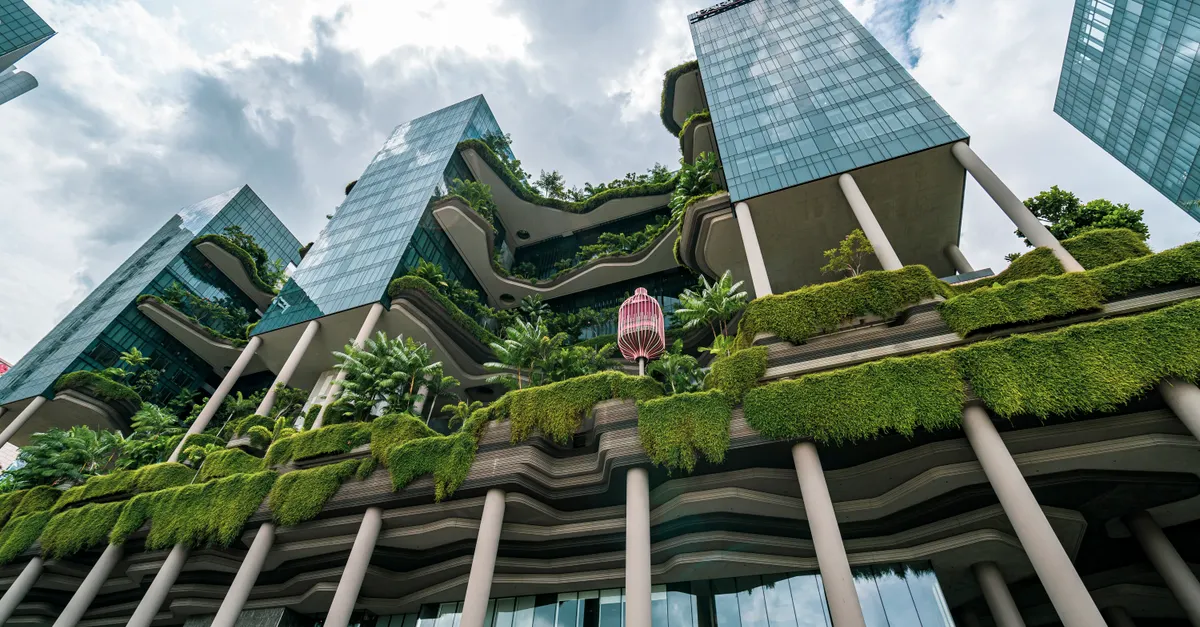
- Green Roofs and Walls: Installing vegetation on roofs and facades to improve insulation, manage stormwater, and enhance biodiversity.
- Use of Sustainable Materials: Prioritizing materials like bamboo, reclaimed wood, and recycled metal to reduce resource extraction and waste.
- Water-Efficient Landscaping: Designing outdoor spaces with native or drought-resistant plants to reduce irrigation needs.
- Smart Building Technologies: Integrating sensors and automation to optimize lighting, heating, and cooling based on occupancy and environmental conditions.
Notable examples include office buildings that achieve net-zero energy use, schools with natural ventilation and daylighting, and residential projects that incorporate rainwater harvesting and renewable energy systems. Each project demonstrates how sustainable design principles can be tailored to different contexts and building types.
Advantages of Adopting Sustainable Design in Architecture
Implementing sustainability in architectural projects offers a range of environmental, economic, and social benefits. These advantages extend beyond individual buildings to positively impact communities and the planet as a whole.
- Environmental Benefits: Reduced energy and water consumption, lower greenhouse gas emissions, and decreased waste generation help mitigate climate change and protect natural resources.
- Economic Benefits: Energy-efficient buildings often have lower operating costs, and sustainable features can increase property value and attract tenants or buyers.
- Health and Well-being: Improved indoor air quality and access to daylight contribute to occupant comfort and productivity.
- Regulatory and Certification Advantages: Achieving certifications like LEED or BREEAM can enhance a building’s reputation and marketability.
While the initial investment in sustainable features may be higher, the long-term savings and positive impacts on health and the environment make these strategies worthwhile for many projects.
Looking Ahead: The Evolution of Sustainable Architecture
The future of architecture is increasingly shaped by the need for sustainability and resilience. As new technologies and materials become available, architects will have even more tools to create buildings that are adaptable, efficient, and environmentally responsible. Ongoing innovation, coupled with a commitment to sustainable design principles, will be essential for meeting the challenges of urbanization and climate change.
Architects and designers are encouraged to stay informed about emerging best practices and to collaborate across disciplines to drive progress. By embracing a holistic and forward-thinking approach, the built environment can become a powerful force for positive change.
Frequently Asked Questions
What are the main principles of sustainable design in architecture?
The primary principles include integrated design, energy efficiency, water conservation, indoor environmental quality, material impact reduction, and building resilience. These guide architects in creating buildings that are resource-efficient, healthy, and adaptable.
How do sustainable design principles differ in architecture compared to other fields?
While the core ideas—such as resource efficiency and minimizing environmental impact—are similar, architectural sustainability addresses unique challenges like building scale, site integration, and long-term durability. This requires specialized strategies, such as passive solar design and life cycle analysis, not typically found in product or graphic design.
Can you give examples of sustainable design features in modern buildings?
Examples include green roofs, solar panels, rainwater harvesting systems, natural ventilation, and the use of recycled or rapidly renewable materials. Buildings that incorporate lightweight structural metals in sustainable design also demonstrate innovative approaches to reducing material impact and improving energy performance.