
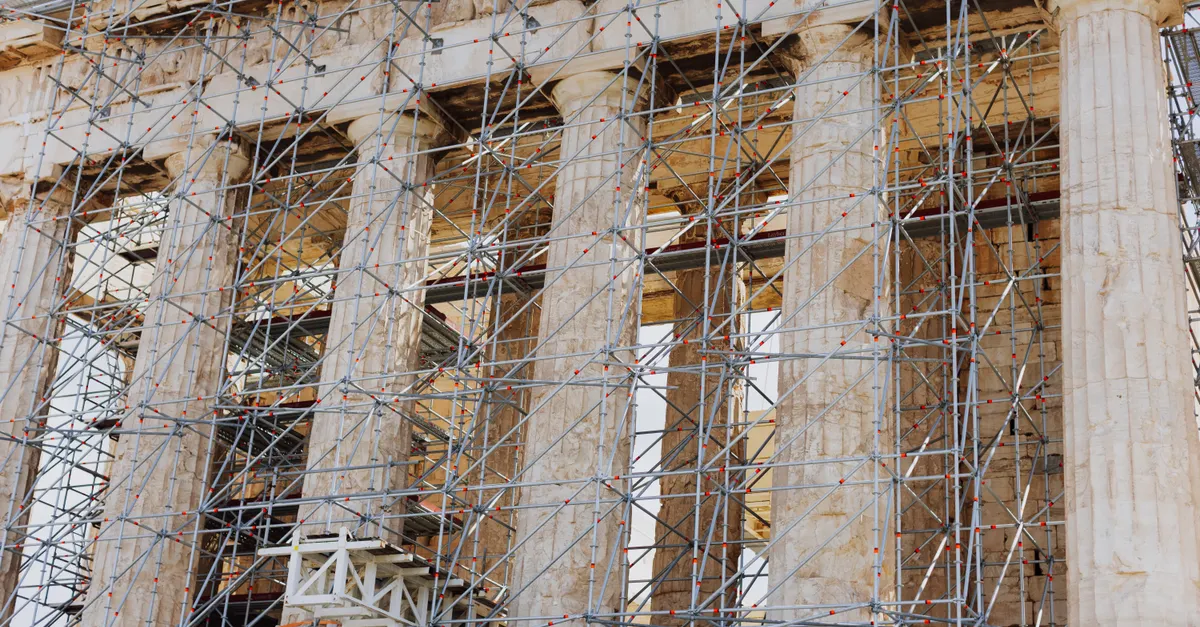
Historical restoration projects face the challenge of preserving the past while meeting modern standards for safety, efficiency, and longevity. In recent years, the use of lightweight metals in historical restoration has become increasingly relevant, offering new possibilities for architects, engineers, and conservators. These materials can help address structural concerns, reduce the load on aging buildings, and provide solutions where traditional materials may fall short. However, their application requires careful consideration to maintain the integrity and authenticity of historic structures.
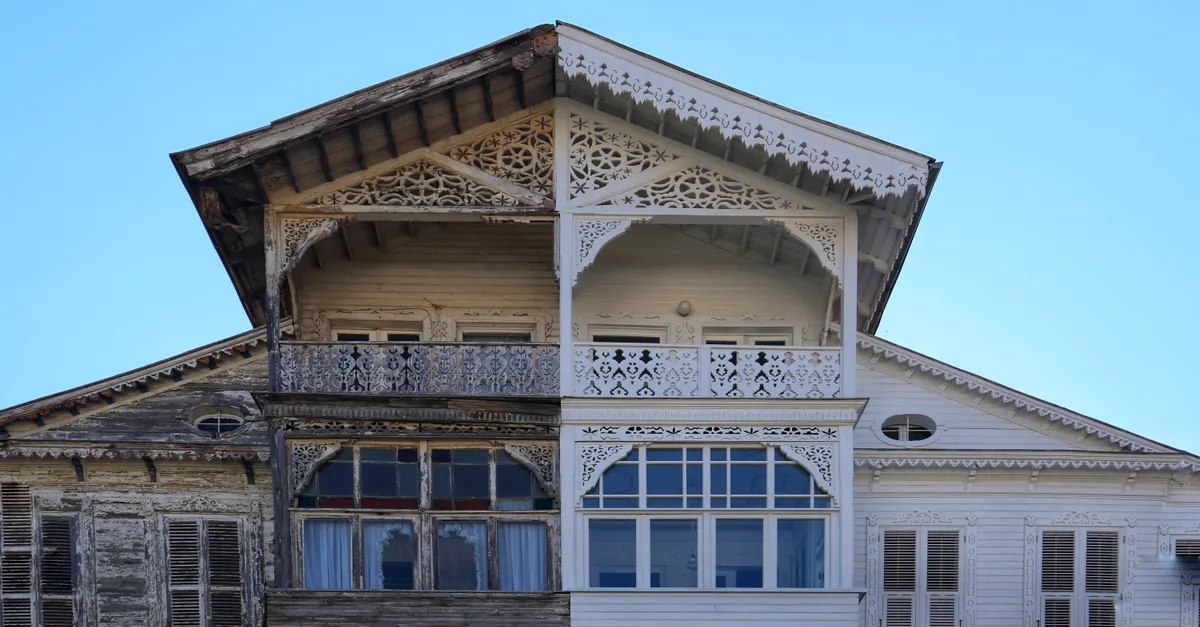
Why Lightweight Metals Are Considered for Restoration
The integration of lightweight metals into restoration work is driven by several practical needs. Many historic buildings were constructed before the advent of modern engineering standards, making them vulnerable to structural stress, seismic activity, and environmental degradation. By utilizing metals such as aluminum, titanium, and zinc, restoration teams can reinforce or replace deteriorated elements without adding excessive weight. This approach is particularly valuable in cases where the original structure cannot support the mass of traditional materials like cast iron or stone.
Additionally, lightweight metals can be formed into intricate shapes and profiles, allowing for the faithful reproduction of architectural details. Their adaptability makes them suitable for a range of restoration tasks, from roofing and window frames to decorative facades and support structures.
Key Benefits of Lightweight Metals in Historical Restoration
Choosing lightweight metals for restoration projects offers a range of advantages that address both practical and preservation concerns. Here are some of the most significant benefits:
- Reduced Structural Load: Lightweight metals place less stress on existing frameworks, which is crucial for older buildings with limited load-bearing capacity.
- Ease of Handling and Installation: Their lower mass makes transportation, lifting, and fitting easier, reducing labor costs and minimizing the risk of damage to fragile historic elements.
- Corrosion Resistance: Many lightweight metals, such as aluminum and titanium, naturally resist corrosion, which can extend the lifespan of restored features and reduce maintenance needs.
- Design Flexibility: These metals can be fabricated into complex shapes, enabling accurate replication of original details and facilitating custom solutions for unique restoration challenges.
- Compatibility with Modern Building Codes: Lightweight metals can help meet current safety and performance standards without compromising the building’s historical character.
For projects in earthquake-prone regions, the use of lightweight structural metals for seismic design can be especially beneficial, as they help improve resilience while preserving the building’s appearance.
Challenges and Limitations of Lightweight Metals
Despite their advantages, there are important challenges and limitations to consider when using lightweight metals in historical restoration:
- Corrosion in Certain Environments: While some lightweight metals resist corrosion, others—such as aluminum—can be vulnerable in specific conditions, especially when in contact with incompatible materials or exposed to pollutants.
- Compatibility with Existing Materials: Introducing new metals can lead to galvanic corrosion if they interact with original metals like copper or iron, potentially accelerating deterioration.
- Structural Integrity: Not all lightweight metals have the same strength as traditional materials. Careful engineering is required to ensure that replacements or reinforcements do not compromise safety.
- Aesthetic Differences: Achieving a seamless match with historic finishes and patinas can be challenging, as lightweight metals may age differently or have a distinct appearance.
- Cost and Availability: Some advanced lightweight metals, such as titanium, can be expensive or difficult to source in the required forms for restoration.
It is essential for restoration teams to work with conservation specialists and structural engineers to assess these factors before selecting materials. This ensures that the project maintains both safety and historical authenticity.
Comparing Lightweight and Traditional Metals in Restoration
A detailed comparison between lightweight and traditional metals highlights the unique considerations for each type in restoration work. Traditional metals commonly found in historic buildings include copper, bronze, brass, and wrought iron. These materials are valued for their durability, historical accuracy, and distinctive patinas.
| Metal Type | Weight | Durability | Aesthetics | Corrosion Resistance |
|---|---|---|---|---|
| Copper (Traditional) | Heavy | High | Develops green patina | Excellent |
| Bronze (Traditional) | Heavy | High | Rich brown patina | Good |
| Aluminum (Lightweight) | Light | Moderate | Silvery, can be coated | Good (with coatings) |
| Titanium (Lightweight) | Light | Very high | Modern, silvery-gray | Excellent |
| Zinc (Lightweight) | Light | Moderate | Matte gray, ages well | Good |
| Brass (Traditional) | Heavy | High | Golden, tarnishes over time | Moderate |
Lightweight metals offer significant advantages in terms of reduced weight and ease of installation, but may require additional surface treatments or coatings to achieve the desired look and longevity. Traditional metals, while heavier and sometimes more challenging to work with, provide unmatched historical accuracy and time-tested durability. The choice between these options depends on the specific needs of the restoration, the condition of the building, and the desired balance between authenticity and modern performance.
For those interested in material selection, resources on how to choose lightweight metals for building can provide further guidance.
Real-World Applications and Case Examples
Several restoration projects have successfully incorporated lightweight metals to address unique challenges. For instance, aluminum has been used to replicate ornate window frames and cornices on historic facades where the original cast iron had deteriorated beyond repair. The reduced weight allowed for installation without reinforcing the underlying masonry, preserving the building’s original structure.
In another example, titanium has been selected for roofing elements on heritage sites exposed to harsh coastal environments. Its exceptional resistance to corrosion ensures long-term protection while minimizing maintenance. Zinc, known for its ability to develop a natural patina, has also been used for guttering and flashing, blending seamlessly with traditional materials while offering the benefits of reduced weight and easier installation.
These examples illustrate how lightweight metals in historical restoration can be tailored to meet both structural and aesthetic requirements, provided that material compatibility and conservation principles are carefully considered.
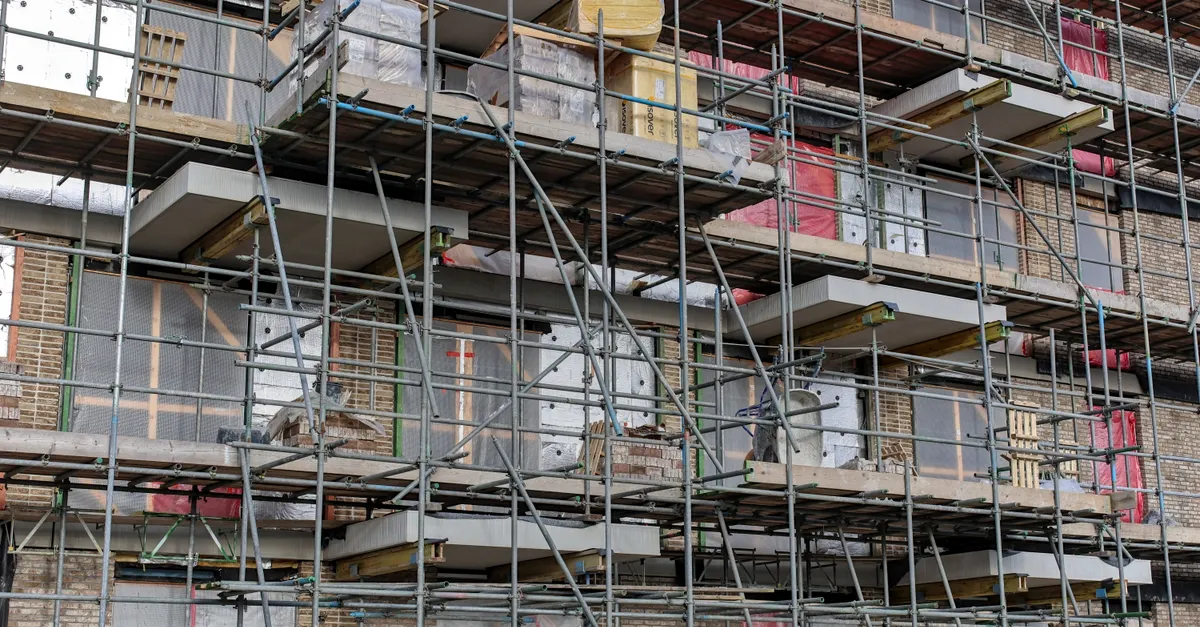
Conclusion: The Future of Lightweight Metals in Restoration
The use of lightweight metals is reshaping the field of historical restoration. By offering solutions that address structural limitations, improve durability, and facilitate the preservation of architectural details, these materials open new possibilities for protecting our built heritage. However, their successful application depends on a thorough understanding of both their benefits and their limitations. Collaboration among conservation professionals, engineers, and architects is essential to ensure that each project achieves the right balance between modern performance and historical authenticity.
As restoration practices continue to evolve, lightweight metals will likely play an increasingly important role, especially as new alloys and fabrication methods become available. Their adaptability and performance make them valuable tools for preserving the past while meeting the demands of the present.
Frequently Asked Questions
What are the main benefits of lightweight metals in restoration work?
They reduce structural load, are easier to handle and install, and often provide good resistance to corrosion. These qualities make them ideal for projects where the original structure cannot support heavy materials or where intricate details need to be replicated.
Are lightweight metals as durable as traditional options?
Some lightweight metals, like titanium, offer excellent durability and corrosion resistance, while others may require protective coatings or more frequent maintenance. The choice depends on the specific metal and the environmental conditions of the project.
Can lightweight metals match the appearance of historic materials?
With modern fabrication techniques and surface treatments, lightweight metals can closely replicate the look of traditional metals. However, achieving a perfect match in patina or texture may require additional work, and some differences in aging and appearance are to be expected.