
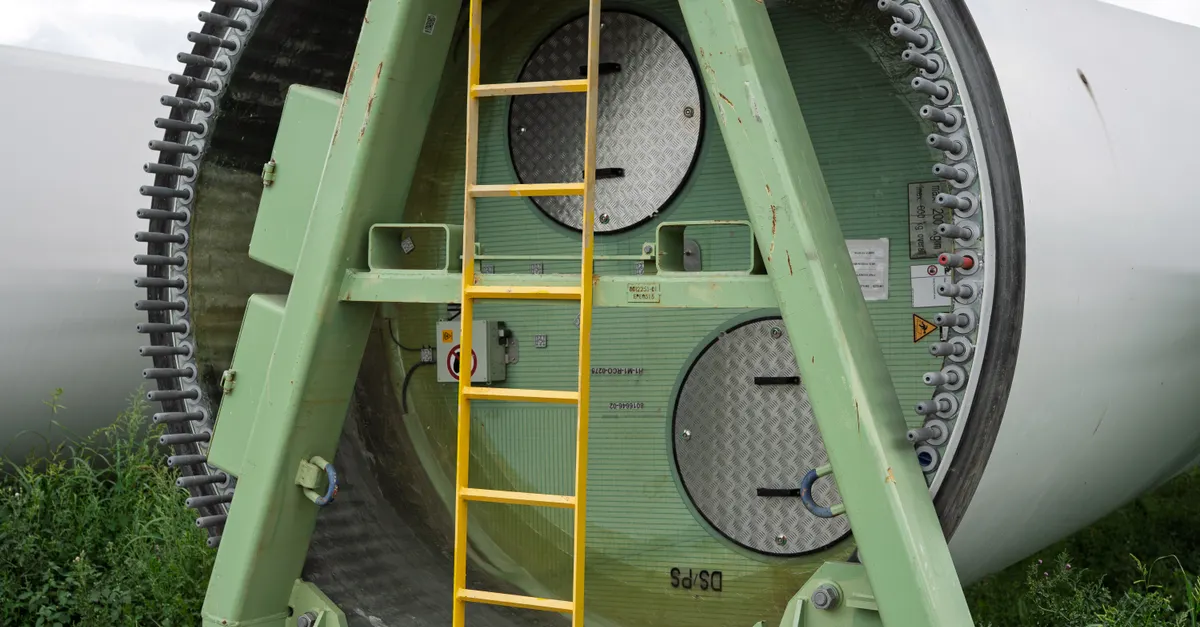
Lightweight metals have become a cornerstone in the advancement of renewable energy technologies. Their unique combination of low density, high strength, and resistance to environmental factors makes them essential for building efficient, durable, and scalable energy systems. As the world shifts toward cleaner power sources, understanding the role of these materials is crucial for anyone interested in the future of sustainable energy solutions.
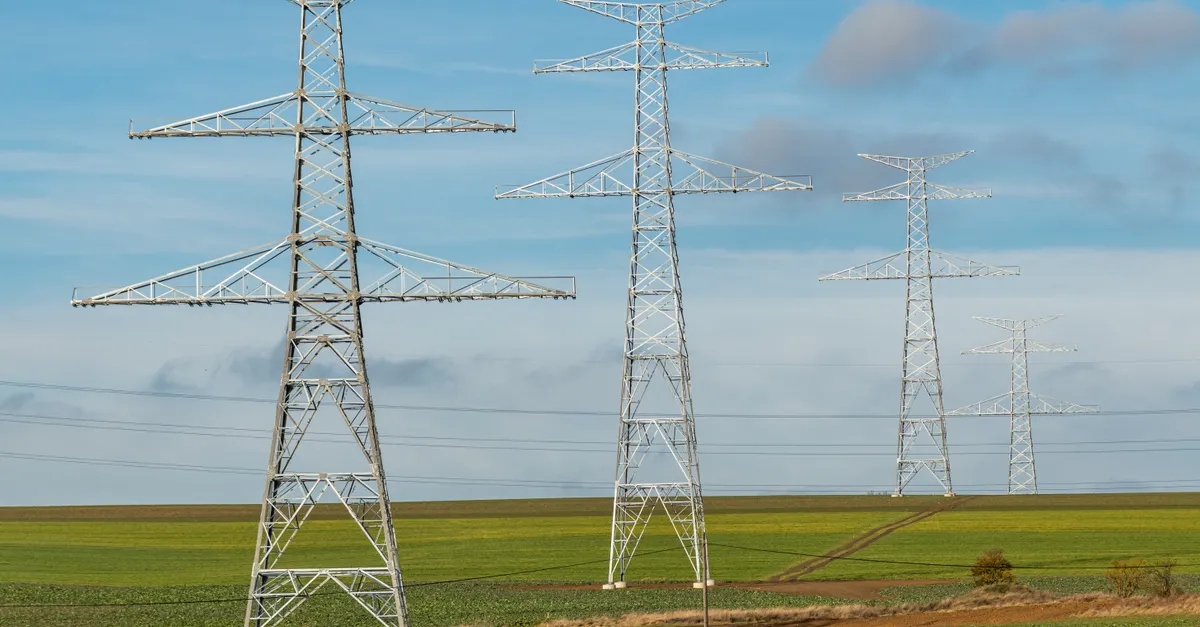
Understanding Lightweight Metals in Clean Energy Applications
Lightweight metals are a group of metallic elements and alloys known for their relatively low density compared to traditional structural metals like steel or copper. Common examples include aluminum, magnesium, and titanium. Their importance in renewable energy systems stems from the need to reduce weight while maintaining structural integrity, which directly impacts installation, transportation, and operational efficiency.
In the context of solar, wind, and energy storage technologies, these metals enable the construction of components that are easier to transport and install, require less supporting infrastructure, and can withstand harsh environmental conditions. This makes them a preferred choice for engineers and designers aiming to optimize both performance and sustainability.
Most Common Lightweight Metals in Renewable Energy Systems
Several lightweight metals are widely used in various renewable energy applications, each offering distinct advantages:
- Aluminum: This metal is especially prominent in the renewable sector. According to industry research, aluminum accounts for more than 85% of the mineral material demand for solar photovoltaic (PV) components. Its combination of low weight, high strength, and corrosion resistance makes it ideal for the frames and mounting systems of solar panels, as well as for structural elements in wind turbines.
- Magnesium: Known for being even lighter than aluminum, magnesium alloys are sometimes used in specialized components where weight reduction is critical. However, their use is less widespread due to cost and specific technical requirements.
- Titanium: While more expensive, titanium offers exceptional strength-to-weight ratio and resistance to extreme environments. It is sometimes used in offshore wind installations and specialized energy storage systems.
Aluminum’s dominance is particularly notable in the solar industry. Its lightweight nature simplifies installation and reduces the load on supporting structures, while its corrosion resistance ensures long-term durability in outdoor settings. These properties are also valuable in wind turbine towers and blades, where minimizing weight helps improve rotational efficiency and reduces stress on moving parts.
For a broader perspective on how these materials are used in other sectors, you can explore the role of lightweight structural metals in sustainable design, which highlights their versatility beyond just renewable energy.
Enhancing Efficiency and Sustainability with Lightweight Metals
The use of lightweight metals in renewable energy systems brings several key benefits that directly impact both efficiency and sustainability:
- Improved Energy Efficiency: In solar applications, aluminum’s high reflectivity can significantly boost the efficiency of solar panels by directing more sunlight onto photovoltaic cells. This property, combined with its structural benefits, makes aluminum indispensable for maximizing energy output.
- Reduced Transportation and Installation Costs: Lighter components are easier and less expensive to transport and install, especially in remote or challenging locations. This not only lowers project costs but also reduces the carbon footprint associated with logistics.
- Longer Lifespan and Lower Maintenance: Corrosion-resistant metals like aluminum and titanium extend the operational life of renewable energy systems, reducing the need for frequent replacements and maintenance.
- Support for Modular and Scalable Designs: The adaptability of lightweight metals enables modular construction, allowing for easier system expansion and upgrades as technology evolves.
These advantages contribute to the overall sustainability of renewable energy projects by minimizing resource consumption and maximizing the return on investment over the system’s lifetime.
Environmental Impacts of Lightweight Metals in Renewable Energy
While the use of lightweight metals brings clear operational and sustainability benefits, it is important to consider the environmental impacts associated with their extraction, processing, and end-of-life management.
Mining and Processing: The extraction of metals such as aluminum and titanium is energy-intensive and can lead to significant environmental disruption if not managed responsibly. Bauxite mining (for aluminum) often affects local ecosystems and water resources. Processing these metals also generates greenhouse gas emissions, although technological advancements are gradually reducing the carbon footprint of modern smelting operations.
Recycling and Circular Economy: One of the environmental strengths of lightweight metals is their high recyclability. Aluminum, for example, can be recycled repeatedly with minimal loss of quality, and recycling uses only a fraction of the energy required for primary production. This supports a more circular economy and reduces the overall environmental impact of renewable energy infrastructure.
End-of-Life Considerations: As renewable energy systems reach the end of their operational life, the ability to recover and reuse lightweight metals becomes increasingly important. Effective recycling programs can help mitigate the environmental costs of initial extraction and processing, further enhancing the sustainability profile of these materials.
Pros:
- High recyclability reduces long-term environmental impact
- Lower transportation emissions due to reduced weight
- Supports sustainable infrastructure development
Cons:
- Mining and initial processing can be environmentally disruptive
- Energy-intensive production for some metals
- Recycling infrastructure may be lacking in some regions
Supply Chain Challenges for Lightweight Metals
Despite their many advantages, sourcing and processing lightweight metals for renewable energy systems is not without challenges. The supply chain for these materials can be complex and subject to several risks:
- Resource Availability: The demand for lightweight metals is rising rapidly as renewable energy projects scale up worldwide. This can strain existing mining operations and lead to concerns about long-term resource availability.
- Geopolitical Risks: Many lightweight metals are sourced from a limited number of countries. Political instability, trade restrictions, or changes in export policies can disrupt supply and increase costs.
- Environmental and Social Standards: Ensuring that mining and processing operations meet high environmental and social standards can be challenging, especially in regions with less stringent regulations.
- Recycling and Secondary Supply: While recycling offers a way to supplement primary supply, the infrastructure for collecting and processing scrap metals is not equally developed everywhere. This can limit the availability of recycled materials and increase reliance on new mining.
Addressing these challenges will require coordinated efforts across industry, government, and research institutions to improve supply chain transparency, invest in recycling infrastructure, and develop alternative materials where feasible.

Looking Ahead: The Future of Lightweight Metals in Renewable Energy
As renewable energy systems continue to expand and evolve, the importance of lightweight metals will only grow. Ongoing research into new alloys, improved recycling methods, and more sustainable mining practices promises to address many of the current challenges. By focusing on both technological innovation and responsible resource management, the renewable energy sector can ensure that lightweight metals remain a key enabler of a cleaner, more sustainable future.
For those interested in how these materials are shaping other industries, further reading on lightweight structural metals in sustainable design provides additional insights into their broader applications.
Frequently Asked Questions
What are the most commonly used lightweight metals in renewable energy?
Aluminum is the most widely used lightweight metal in renewable energy systems, especially in solar panels and wind turbines. Magnesium and titanium are also used in specialized applications where additional weight reduction or strength is required.
How do lightweight metals improve the efficiency of renewable energy systems?
These metals reduce the overall weight of components, making transportation and installation easier and less costly. In solar panels, aluminum’s reflectivity can also increase energy capture, further boosting system efficiency.
What are the environmental impacts of using lightweight metals in renewable energy?
While lightweight metals offer operational and sustainability benefits, their extraction and processing can have significant environmental impacts, including habitat disruption and greenhouse gas emissions. However, their high recyclability helps offset some of these effects by reducing the need for new mining and lowering energy consumption over the material’s lifecycle.