
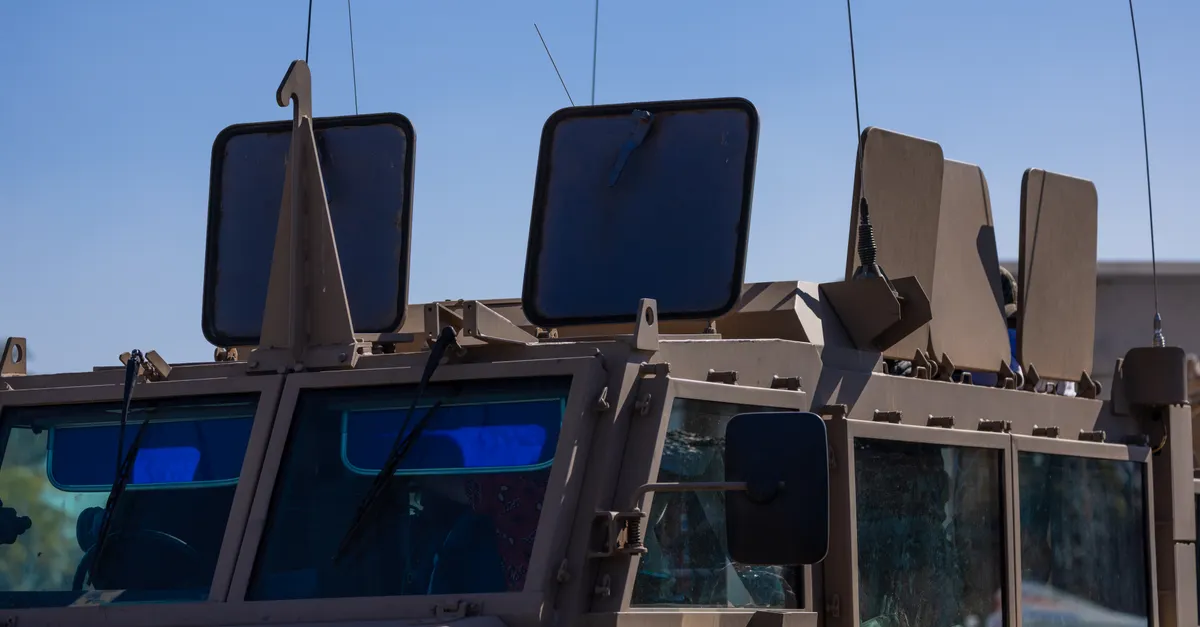
Metal building systems have become a cornerstone in the design and construction of military infrastructure worldwide. Their unique combination of strength, speed of assembly, and adaptability makes them especially suited to the demanding requirements of defense operations. As military organizations seek solutions that balance durability, rapid deployment, and cost-efficiency, these pre-engineered structures offer a compelling answer. This article explores how these systems address the specific needs of military environments, highlights their advantages over traditional construction, and examines the financial considerations that influence their adoption.
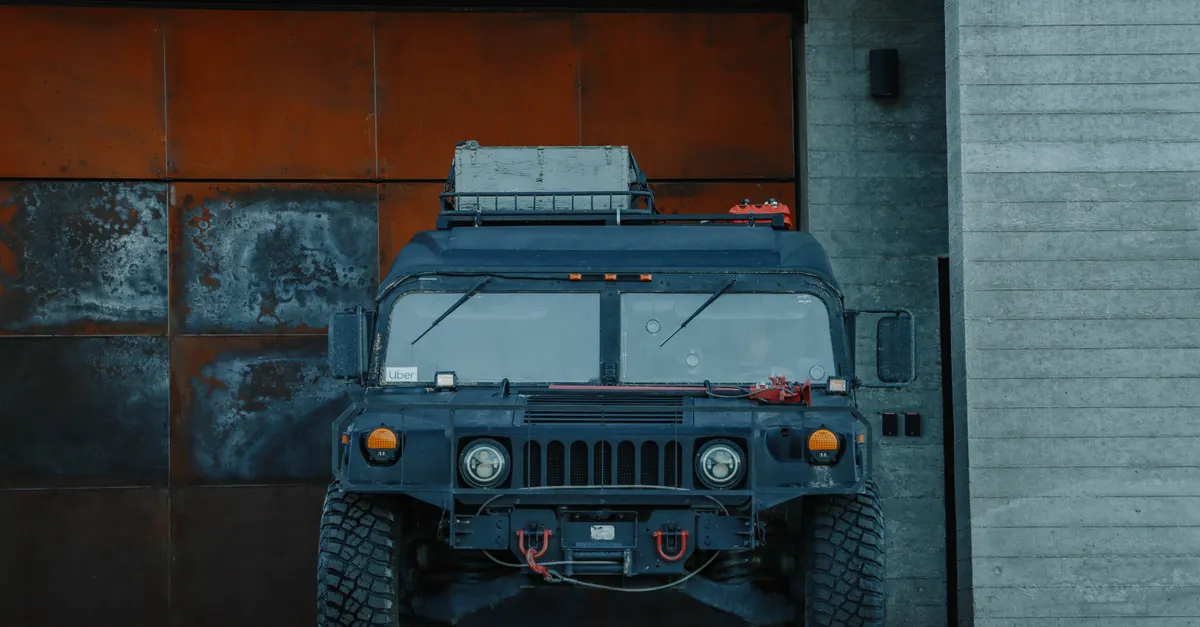
Understanding Metal Building Systems in Defense Environments
Metal building systems are pre-engineered structures primarily composed of steel components, designed for quick assembly and long-term resilience. In military contexts, these systems are valued for their ability to withstand harsh climates, heavy use, and potential threats. Unlike conventional buildings, which often require lengthy construction timelines and complex logistics, metal systems can be fabricated off-site and rapidly erected wherever needed. This flexibility is essential for military operations that demand both permanence and mobility.
The relevance of these systems for military use lies in their adaptability. Whether for temporary deployments or permanent bases, metal buildings can be customized to serve a wide range of functions, from storage and maintenance to housing and command centers. Their modular nature allows for expansion or relocation as operational needs evolve, making them a strategic asset for defense planners.
Key Advantages of Metal Building Systems for Military Applications
Military organizations require infrastructure that is not only robust but also capable of being deployed quickly and efficiently. Metal building systems for military applications offer several distinct benefits that set them apart from traditional construction methods.
Durability and Strength
One of the most critical requirements for military infrastructure is the ability to endure extreme conditions. According to industry sources, steel buildings provide exceptional durability and protection against severe weather and even certain types of attacks. Their resistance to corrosion, pests, and fire further enhances their suitability for military use, especially in remote or hostile environments.
- Resistant to high winds, heavy snow, and seismic activity
- Long service life with minimal maintenance
- Protection for personnel and sensitive equipment
Rapid Deployment and Assembly
Speed is often a decisive factor in military operations. Metal building systems can be fabricated in controlled environments and shipped in ready-to-assemble kits. This approach significantly reduces on-site construction time, allowing for rapid deployment in response to emerging needs. In situations where traditional construction could take months, metal buildings can often be operational in a matter of weeks.
- Pre-engineered components streamline logistics
- Minimal need for specialized labor or equipment
- Ideal for both temporary and permanent installations
Cost-Effectiveness
Budget constraints are a reality for most military projects. Metal building systems offer a cost-effective alternative to masonry or concrete structures, thanks to lower material costs, reduced labor requirements, and shorter construction timelines. Their energy efficiency and low maintenance needs further contribute to long-term savings.
- Lower initial construction costs
- Reduced lifecycle expenses
- Potential for energy savings with modern insulation and design
Comparison with Traditional Construction Methods
When compared to conventional building techniques, metal systems consistently demonstrate advantages in speed, flexibility, and resilience. While traditional methods may offer certain aesthetic or acoustic benefits, they often fall short in terms of deployment speed and adaptability—two factors that are critical in military contexts.
For a deeper look at how regulations affect these structures, readers may find value in exploring metal building systems energy codes and their impact on project planning.
Common Military Uses for Metal Building Systems
The versatility of metal building systems allows them to fulfill a wide array of roles within military installations. Their modular design and scalability make them suitable for both large-scale and specialized applications.
Barracks and Personnel Housing
Providing secure, comfortable accommodations for troops is a top priority. Metal buildings can be configured as barracks, offering climate-controlled environments that protect against the elements. Their design can incorporate modern amenities and be adapted for temporary or permanent use.
Vehicle and Equipment Storage
Military vehicles and sensitive equipment require protection from weather and unauthorized access. Metal structures serve as robust storage facilities, with customizable layouts to accommodate everything from light vehicles to heavy machinery and industrial shelving for organized storage.
Aircraft Hangars and Maintenance Bays
The large clear spans achievable with steel framing are ideal for aircraft hangars and maintenance facilities. These buildings can house helicopters, drones, and fixed-wing aircraft, providing ample space for operations and repairs.
Command Centers and Operations Hubs
Secure, adaptable spaces are essential for command and control functions. Metal buildings can be outfitted with advanced communications infrastructure, reinforced walls, and integrated security systems to support mission-critical operations.
Medical and Emergency Facilities
Rapidly deployable medical centers and field hospitals are another key application. Metal building systems can be customized for healthcare use, ensuring sanitary conditions and efficient patient flow. For more on this topic, see our coverage of metal building systems for healthcare.
Analyzing the Cost Implications for Military Projects
A major consideration in defense procurement is the financial impact of infrastructure choices. While competitors often highlight general benefits, a closer look at the cost dynamics of metal building systems for military applications reveals several important factors.
Initial Construction Costs
Pre-engineered metal buildings typically have lower upfront costs than traditional masonry or concrete structures. The ability to fabricate components off-site and assemble them quickly reduces labor expenses and shortens project timelines. This efficiency is particularly valuable in military contexts, where delays can have operational consequences.
Lifecycle and Maintenance Expenses
Beyond initial costs, metal buildings offer long-term savings due to their durability and minimal maintenance requirements. Steel components resist rot, mold, and insect damage, which can be significant sources of expense in other building types. Routine upkeep is generally limited to inspections and occasional repainting, further reducing operational budgets.
Energy Efficiency and Operational Savings
Modern metal building systems can be equipped with high-performance insulation, energy-efficient windows, and advanced HVAC systems. These features help control heating and cooling costs, which are substantial in large military facilities. Over time, the energy savings can offset a significant portion of the initial investment.
Flexibility and Future Adaptation
The modular nature of metal buildings means that they can be expanded, reconfigured, or relocated as needs change. This adaptability reduces the risk of obsolescence and allows military organizations to respond to shifting requirements without incurring the full cost of new construction.
Summary of Cost Considerations
- Lower initial investment compared to traditional builds
- Reduced labor and faster project completion
- Minimal maintenance and repair costs
- Potential for long-term energy savings
- Adaptability reduces need for future capital outlay
While precise figures will vary by project scope and location, the overall trend is clear: metal building systems offer a financially prudent option for military infrastructure, especially when long-term value is considered.
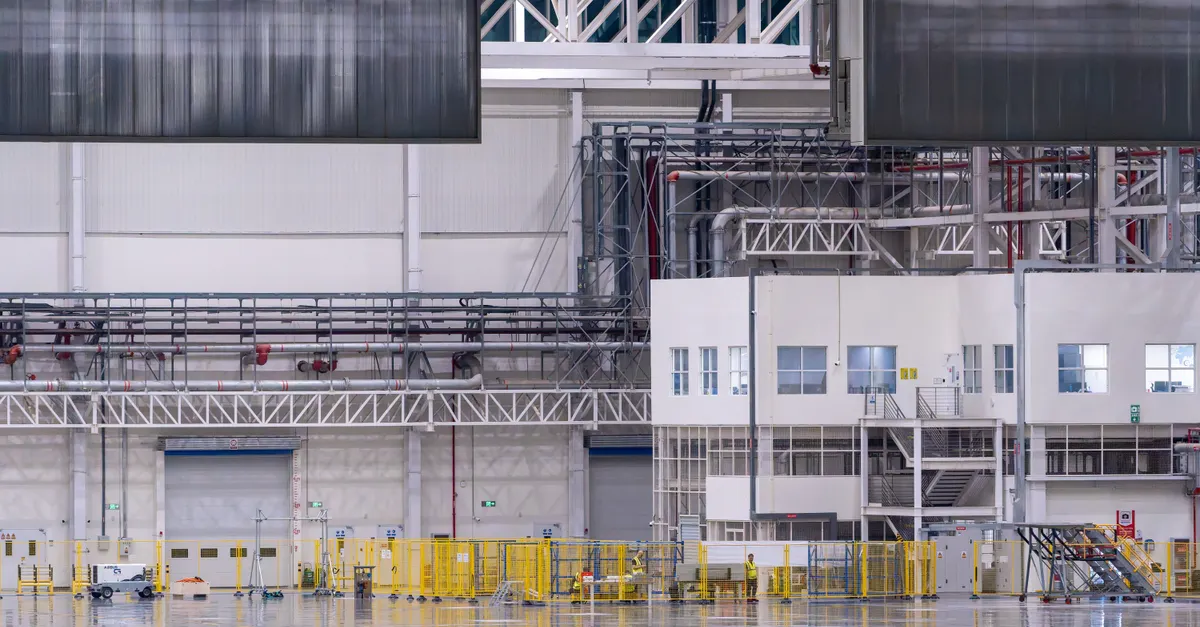
Conclusion: The Strategic Value of Metal Building Systems in Military Infrastructure
Metal building systems have proven themselves as a reliable, efficient, and cost-effective solution for military applications. Their combination of rapid deployment, resilience, and adaptability addresses the unique challenges faced by defense organizations worldwide. As military needs continue to evolve, the flexibility and financial advantages of these systems are likely to ensure their continued prominence in base construction and operational support. By understanding both the benefits and the limitations, decision-makers can make informed choices that strengthen military readiness and optimize resource allocation.
Frequently Asked Questions
What are the main benefits of using metal building systems in military settings?
The primary advantages include exceptional durability, rapid deployment, cost-effectiveness, and adaptability. These systems can be quickly assembled, withstand harsh environments, and are suitable for a wide range of military uses.
How do metal building systems compare to traditional construction methods for military projects?
Compared to traditional methods, metal buildings offer faster construction times, lower costs, and greater flexibility. While conventional buildings may provide certain design or acoustic features, they often require more time and resources to build and maintain.
Are metal building systems suitable for both temporary and permanent military facilities?
Yes, their modular design allows them to serve as both temporary and permanent structures. They can be relocated, expanded, or reconfigured as operational needs change, making them ideal for dynamic military environments.