
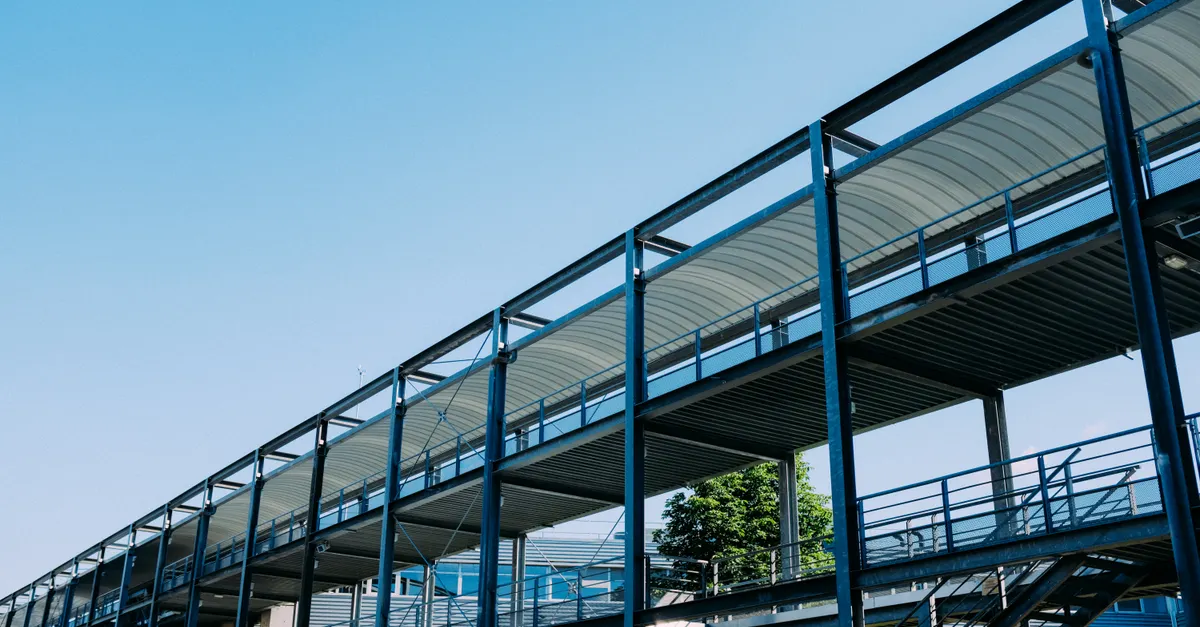
Healthcare construction demands solutions that balance speed, reliability, and adaptability. As the needs of medical environments evolve, so do the expectations for the buildings that support them. Metal building systems for healthcare have emerged as a compelling option, offering a combination of efficiency, flexibility, and sustainability. This article explores how these systems address the unique challenges of healthcare facilities, from design features to energy performance, and what decision-makers should consider when planning new medical spaces.

Understanding Metal Building Systems in Medical Settings
A metal building system is a structure where the primary framing and enclosure are made from steel or other metal components, engineered for quick assembly and long-term durability. In the context of healthcare, these systems are tailored to meet the stringent requirements of hospitals, clinics, and specialized treatment centers. Their relevance lies in the ability to deliver robust, adaptable spaces that can support advanced medical technology, infection control, and patient comfort.
Unlike conventional construction, which often relies on concrete or masonry, metal building systems use prefabricated elements that are manufactured off-site and assembled rapidly on location. This approach minimizes on-site disruption—an essential consideration for healthcare campuses that must remain operational during expansion or renovation.
Key Benefits of Metal Building Systems for Healthcare Facilities
Healthcare organizations increasingly turn to metal building systems for several distinct advantages. These benefits address both the operational and clinical demands of modern medical environments.
- Fast Installation: According to CENTRIA, metal panel systems are engineered for rapid installation, which helps reduce the time healthcare providers spend in temporary or disrupted conditions. This speed is especially valuable for emergency expansions or new clinics responding to community needs.
- Design Flexibility: Custom steel healthcare buildings, as highlighted by Metallic, offer column-free spaces and high ceilings. This flexibility allows architects to create open layouts for surgical suites, imaging departments, or adaptable patient wards, accommodating future changes in care delivery.
- Low Maintenance and Durability: Star Building Systems notes that metal healthcare buildings require less maintenance than traditional structures. The inherent durability of steel resists pests, mold, and moisture—critical factors in maintaining sterile environments.
- Cost Efficiency: Prefabrication and rapid assembly can lower overall construction costs. Reduced labor time and fewer delays translate to savings, which can be redirected to patient care or advanced medical equipment.
Comparing Metal Systems to Traditional Construction
When evaluating metal building systems for healthcare against traditional materials like concrete or brick, several differences stand out:
- Speed: Metal systems are typically assembled faster, reducing downtime and allowing facilities to open sooner.
- Adaptability: Steel framing supports larger, open spaces without interior columns, unlike many traditional methods.
- Lifecycle Costs: Lower maintenance and repair needs can make metal buildings more cost-effective over time.
However, decision-makers should also consider factors such as acoustics and the need for specialized finishes, which may require additional planning compared to conventional construction.
For those interested in how these advantages translate to other sectors, the article on metal building systems for schools provides further insights into the versatility of these systems.
Design Features Tailored to Healthcare Environments
The unique requirements of medical facilities demand specific design solutions. Metal building systems offer several features that align with healthcare priorities:
- Column-Free Interiors: As noted by Metallic, steel structures can span large distances without internal supports. This enables flexible layouts for operating rooms, emergency departments, and diagnostic suites.
- High Ceilings: Ample vertical space accommodates advanced HVAC systems, medical gases, and lighting, all essential for modern healthcare delivery.
- Modular Expansion: Prefabricated components make it easier to add new wings or departments as patient needs grow, without major structural overhauls.
- Infection Control: Metal surfaces are non-porous and easy to clean, supporting stringent hygiene protocols.
These features not only enhance the functionality of healthcare spaces but also support compliance with regulatory standards and evolving clinical practices.
In-Depth Look at Sustainability and Energy Efficiency
One of the most significant trends in healthcare construction is the emphasis on sustainability and energy efficiency. Metal building systems are well-positioned to support these goals, though the specifics can vary by project.
- Recyclable Materials: Steel is one of the most recycled materials globally. Many metal building components are made from recycled content and can be recycled again at the end of their lifespan, reducing environmental impact.
- Improved Insulation: Modern metal panels can be paired with high-performance insulation systems, helping healthcare facilities maintain strict temperature and humidity controls. This is vital for patient comfort and for the operation of sensitive medical equipment.
- Energy-Efficient Roofing: Reflective metal roofs can reduce heat gain, lowering cooling costs and supporting energy efficiency targets.
- Reduced Construction Waste: Prefabrication means fewer materials are wasted during assembly, contributing to greener building practices.
While competitors often mention sustainability in passing, a deeper analysis reveals that the integration of advanced insulation, daylighting strategies, and energy-efficient HVAC systems within metal building systems can significantly lower a healthcare facility’s carbon footprint. These features help organizations meet or exceed energy codes and sustainability benchmarks, which are increasingly important in both public and private healthcare sectors.
For readers interested in broader environmental considerations, the article on metal building systems environmental impact explores these themes in greater detail.
Case Studies and Real-World Examples
While specific case studies are not detailed in the available evidence, the adoption of metal building systems in healthcare is growing. Examples from manufacturers like CENTRIA, Metallic, and Star Building Systems highlight projects where hospitals and clinics have benefited from rapid construction timelines and adaptable designs.
In practice, healthcare organizations have used metal systems to build outpatient clinics, emergency departments, and specialty centers. The ability to expand or reconfigure these spaces as needs change is a recurring theme. Lessons from these projects include the importance of early collaboration between architects, engineers, and healthcare providers to ensure that the building supports both current and future clinical workflows.
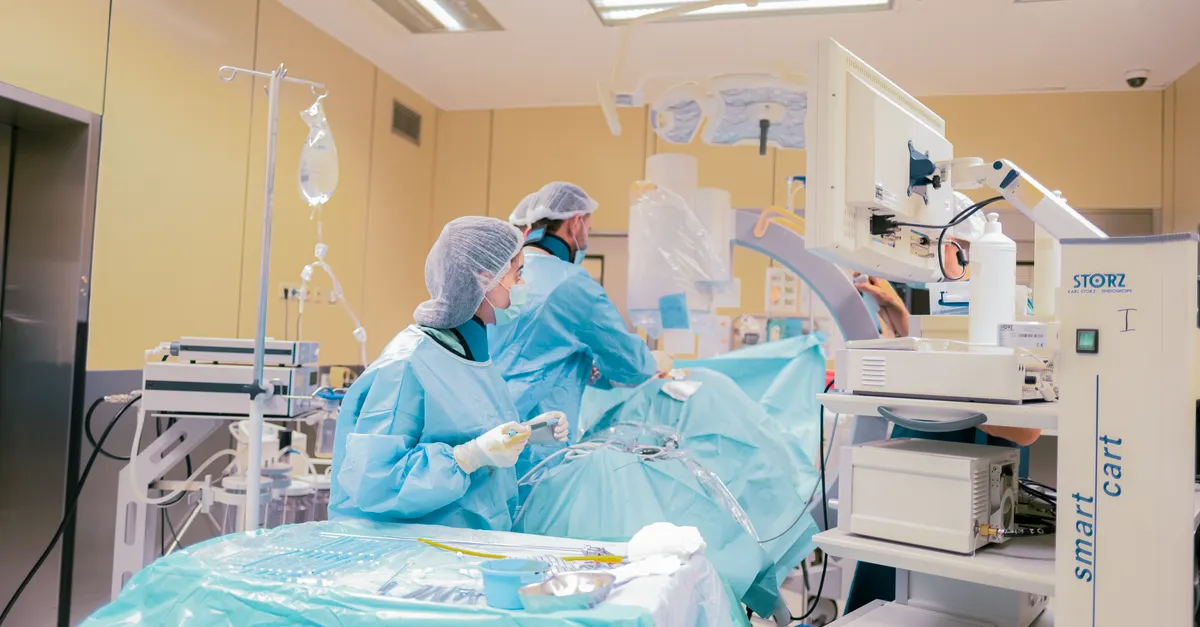
Conclusion: The Future of Metal Building Systems in Healthcare
Metal building systems offer healthcare organizations a path to faster, more flexible, and sustainable construction. Their benefits—ranging from rapid installation and design adaptability to low maintenance and environmental responsibility—make them an attractive choice for a wide variety of medical facilities. As the healthcare sector continues to evolve, the ability to quickly respond to changing demands will remain crucial, and metal systems are well-suited to meet this challenge.
With ongoing advancements in insulation, energy performance, and modular design, these systems are likely to play an even greater role in the future of healthcare construction. Decision-makers should weigh the advantages alongside specific project requirements, regulatory needs, and long-term operational goals to determine the best fit for their organization.
Frequently Asked Questions
What are the main benefits of metal building systems in healthcare?
The primary advantages include fast installation, flexible design options, low maintenance, and strong sustainability credentials. These systems help healthcare facilities adapt quickly to changing needs while maintaining high standards of safety and efficiency.
How do metal building systems compare to traditional construction for hospitals?
Compared to conventional materials like concrete or masonry, metal systems are typically faster to assemble, offer greater design flexibility (such as column-free interiors), and require less maintenance over time. However, some specialized finishes or acoustic treatments may require additional planning.
Are metal building systems energy efficient for healthcare environments?
Yes, when paired with modern insulation and reflective roofing, metal building systems can significantly improve energy efficiency. They help maintain stable indoor climates, reduce energy costs, and support sustainability goals—key priorities for today’s healthcare organizations.