
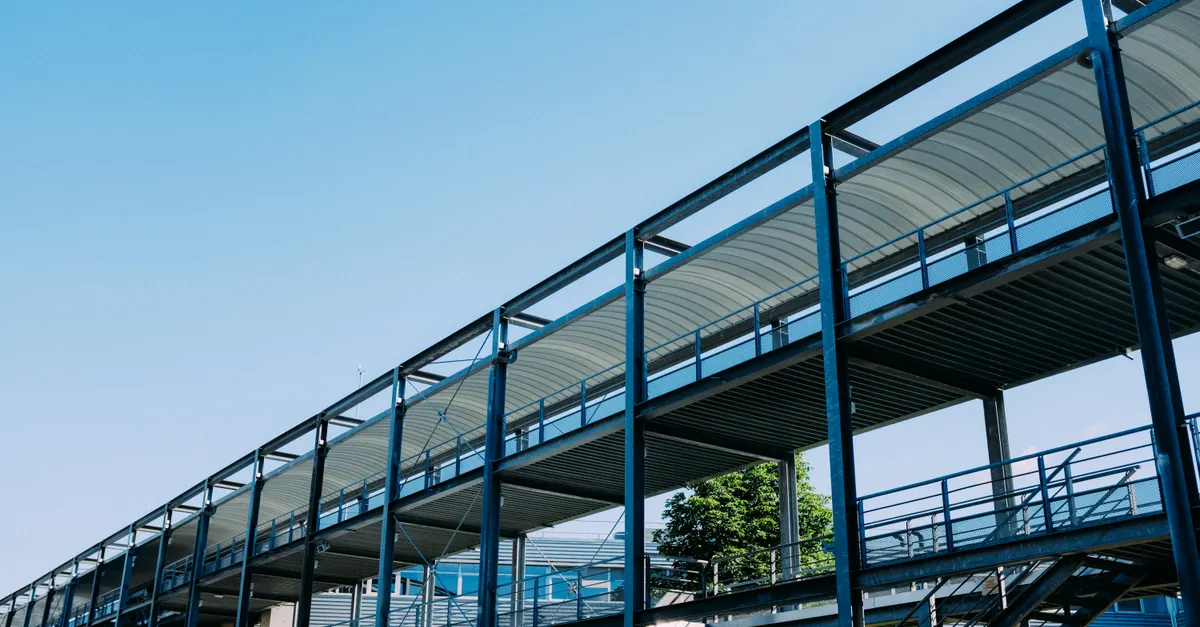
Selecting the right custom metal building systems is a crucial step for any commercial project. These structures offer flexibility, durability, and efficiency, but making the best choice involves more than just picking a design. It’s essential to understand how these systems can be tailored to your needs, what compliance with building codes entails, and when to seek professional guidance. This article will walk you through the key factors to consider, with a special focus on compliance and safety, ensuring your investment is both practical and secure.
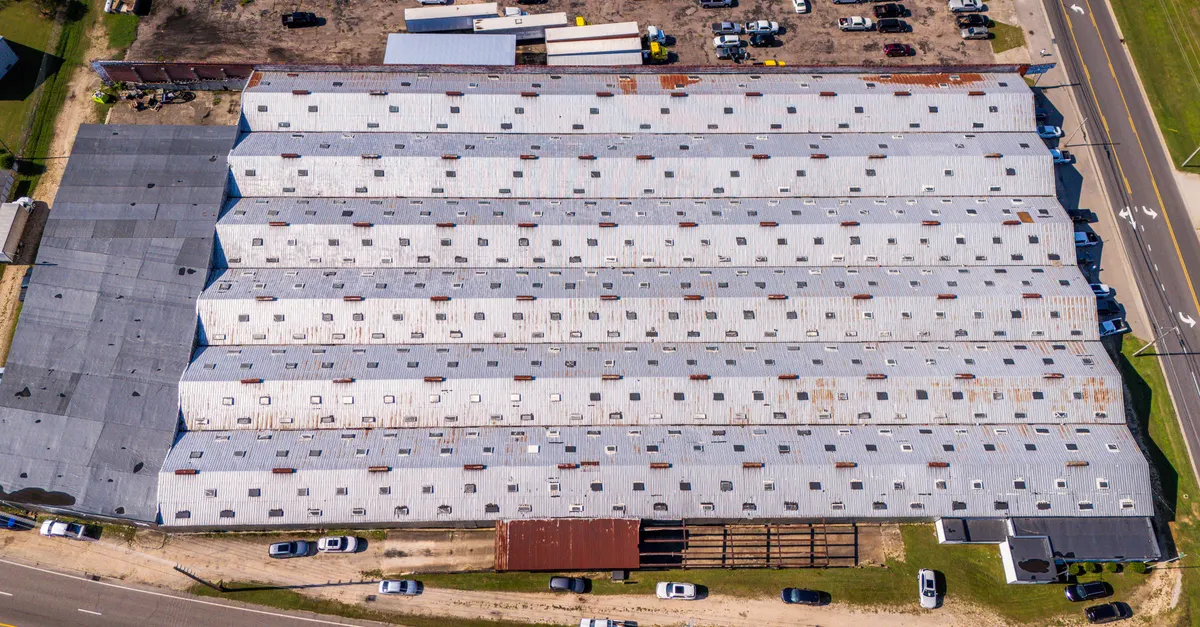
Understanding the Advantages of Custom Metal Building Systems
Custom metal building systems are engineered solutions designed to meet specific requirements for commercial, industrial, and even some residential applications. Unlike standard prefabricated structures, these systems can be tailored in terms of size, layout, and features to suit unique operational needs. Their popularity in commercial construction stems from several core benefits:
- Flexibility: Designs can be adapted for warehouses, offices, retail spaces, manufacturing plants, and more.
- Durability: Steel and other metals offer resistance to weather, pests, and fire, resulting in longer lifespans compared to some traditional materials.
- Efficiency: Prefabrication and modular construction methods can reduce build times and minimize on-site disruptions.
- Cost-effectiveness: Lower maintenance and energy costs over time can make these buildings a smart financial choice.
For a deeper look at how these structures compare to conventional construction, you might find the discussion on metal building systems vs traditional construction helpful.
Exploring Customization Options for Metal Building Systems
One of the main appeals of custom metal building systems is their adaptability. Whether you’re planning a distribution center, a retail outlet, or a specialized facility, customization ensures your building supports your business operations efficiently. Here are some of the most common and valuable ways these systems can be tailored:
- Dimensions and Layout: Choose the exact width, length, and height to fit your site and workflow.
- Framing Systems: Select from clear-span or multi-span frames depending on your need for open interior spaces.
- Exterior Finishes: Options include metal panels, masonry, glass, or a combination for both aesthetics and performance.
- Insulation and Energy Efficiency: Incorporate insulated metal panels or advanced insulation systems to improve energy performance and comfort.
- Doors and Windows: Customize the number, size, and type of access points, including overhead doors, personnel doors, and specialty windows.
- Interior Build-Outs: Partition walls, mezzanines, and integrated office spaces can be added as needed.
- Roof Styles: Options include gable, single-slope, or custom rooflines to match functional or zoning requirements.
Working with experienced suppliers or designers is key to making the most of these options. They can help you balance your operational needs with budget and compliance considerations.
Ensuring Compliance with Building Codes and Standards
Compliance with local and national building codes is not just a formality—it’s a fundamental requirement for safety, legal operation, and insurance. Custom metal building systems are engineered to meet rigorous standards, but understanding what this means for your project is vital.
Key Standards and Organizations
Most reputable systems are designed in accordance with standards set by organizations such as the American Institute of Steel Construction (AISC) and the Canadian Sheet Steel Building Institute (CSSBI). According to the Build Using Steel initiative, these standards ensure that materials, fabrication, and assembly methods meet strict criteria for structural integrity and safety.
Local Building Codes
In addition to national and international standards, every project must comply with local building codes. These codes cover:
- Structural Loads: Requirements for wind, snow, and seismic forces based on geographic location.
- Fire Safety: Materials and design features that minimize fire risk and support safe evacuation.
- Accessibility: Compliance with regulations such as the Americans with Disabilities Act (ADA) for public or commercial spaces.
- Energy Efficiency: Minimum insulation values and energy-saving features as required by local ordinances.
It’s important to note that code requirements can vary significantly between municipalities. Early in the planning process, consult with local building officials or a licensed architect to ensure your design meets all applicable rules.
When to Seek Professional Advice
While many suppliers offer guidance on compliance, only a licensed professional can interpret how codes apply to your specific site and use case. Engaging an architect or structural engineer is especially important for:
- Complex or multi-use facilities
- Unusual site conditions (e.g., flood zones, high seismic risk)
- Projects with public occupancy or special safety requirements
This approach helps avoid costly redesigns, delays, or legal issues down the line.
Evaluating the Cost Factors of Custom Metal Building Solutions
Budget is always a central concern in commercial construction. The cost of custom metal building systems depends on several variables:
- Size and Complexity: Larger buildings and those with intricate layouts or multiple stories will require more materials and labor.
- Level of Customization: Specialized features, finishes, or unique architectural elements can increase costs.
- Material Choices: The type and grade of steel, as well as options for insulation and cladding, affect pricing.
- Site Preparation: Costs for grading, foundation work, and utility connections vary by location and soil conditions.
- Compliance and Permitting: Fees for permits, inspections, and code compliance should be factored into your budget.
While upfront costs may be higher for highly customized or complex projects, the long-term savings from durability, low maintenance, and energy efficiency often offset the initial investment. For those seeking even greater efficiency, consider integrating insulated metal building systems for improved thermal performance.
Industry Applications: Where Custom Metal Buildings Excel
The versatility of custom metal building systems makes them suitable for a wide range of industries. Some of the most common applications include:
- Warehousing and Distribution: Open spans and high ceilings accommodate racking, forklifts, and bulk storage.
- Manufacturing: Custom layouts support production lines, heavy equipment, and specialized processes.
- Retail and Showrooms: Flexible interiors and attractive exteriors help businesses create inviting spaces for customers.
- Agriculture: Barns, storage sheds, and equipment shelters benefit from metal’s durability and pest resistance.
- Recreational Facilities: Gyms, arenas, and community centers leverage large, unobstructed spaces.
- Office Buildings: Multi-story designs with integrated amenities are increasingly popular in commercial developments.
Each industry has its own set of requirements, from climate control to security features. Customization ensures that the final structure is not only functional but also compliant with all relevant codes and standards.
Summary and Practical Recommendations
Choosing the right custom metal building system involves more than comparing prices or picking a design from a catalog. To make an informed decision:
- Define your operational needs and future growth plans.
- Explore customization options that support your business goals.
- Prioritize compliance with building codes and consult professionals early in the process.
- Consider both initial and long-term costs, including maintenance and energy use.
- Work with reputable suppliers who can demonstrate adherence to recognized standards like those from the American Institute of Steel Construction.
By focusing on these areas, you can ensure your investment delivers value, safety, and longevity.
Frequently Asked Questions
What are the main benefits of custom metal building systems?
They offer flexibility in design, durability against weather and pests, efficient construction timelines, and cost savings over the building’s lifespan. These systems can be tailored to meet specific operational needs, making them a popular choice for many commercial projects.
How do I ensure my metal building complies with local codes?
Start by consulting with local building officials or a licensed architect familiar with your area’s regulations. Ensure your supplier designs the system to meet standards from organizations like the American Institute of Steel Construction. Always obtain the necessary permits before construction begins.
Can metal building systems be used in residential projects?
While most commonly used in commercial and industrial settings, some homeowners are turning to metal building systems for garages, workshops, and even homes. For more on residential options, see the guide to best metal building systems for homes.