
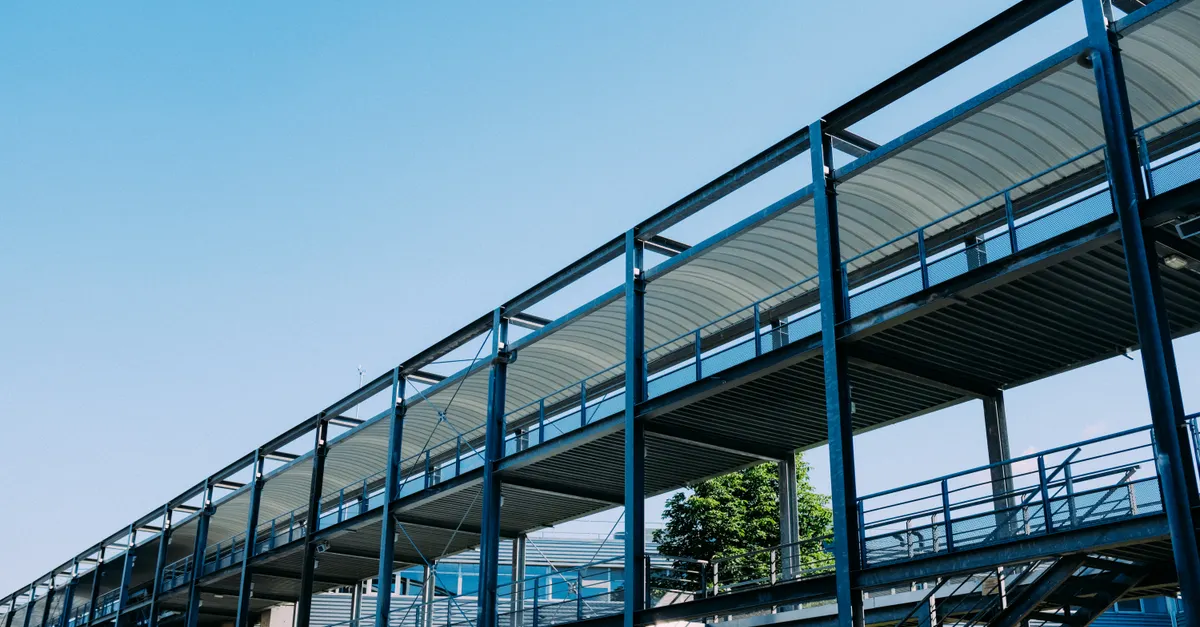
Prefabricated metal building systems have become a prominent solution in modern construction, offering a blend of efficiency, flexibility, and sustainability. As the demand for cost-effective and adaptable structures grows, these systems are increasingly chosen for a wide range of applications, from warehouses and factories to schools and homes. This article explores the core benefits, available options, and the often-overlooked environmental impact of these innovative building methods, helping readers make informed decisions about their use.
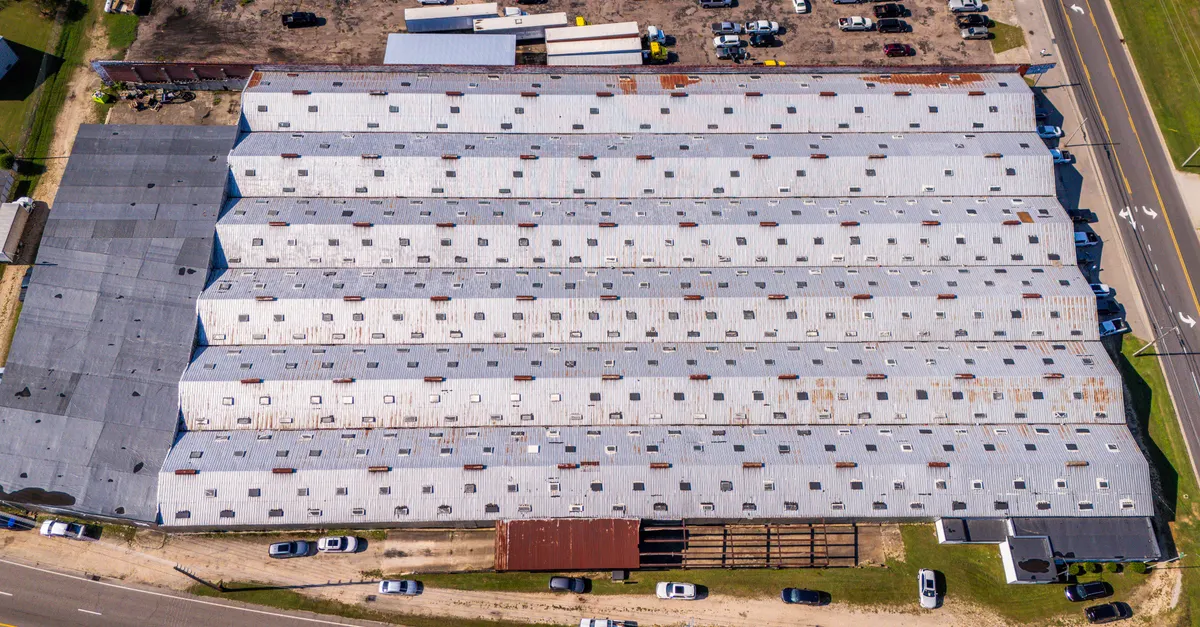
Understanding Prefabricated Metal Building Systems
Prefabricated metal building systems refer to structures whose components are manufactured off-site, typically in a factory, and then transported to the construction location for assembly. These systems are engineered for quick installation and are commonly made from steel or other durable metals. The process involves designing, fabricating, and assembling building elements such as frames, panels, and roofs, which are then bolted or welded together on-site.
The relevance of these systems in today’s construction landscape is driven by their ability to streamline project timelines, reduce labor costs, and minimize material waste. As industries and communities seek more sustainable and adaptable building solutions, prefabricated metal systems have emerged as a practical alternative to traditional construction methods.
Key Benefits of Metal Building Solutions
Choosing a prefabricated metal building system brings several notable advantages compared to conventional construction. These benefits make them an attractive option for a variety of projects, whether for commercial, industrial, or residential use.
- Cost Efficiency: The streamlined manufacturing and assembly process reduces labor hours and material waste, often resulting in lower overall project costs.
- Durability: Metal buildings, especially those constructed from steel, are highly resistant to pests, fire, and adverse weather conditions, leading to long-term savings on repairs and maintenance. For more on this, see how metal structures withstand disasters.
- Speed of Construction: With components fabricated off-site, on-site assembly is significantly faster than traditional building, minimizing disruption and allowing for quicker occupancy.
- Flexibility: These systems can be designed for a wide range of applications, from open-span warehouses to multi-story office buildings, offering adaptability for future modifications.
- Low Maintenance: Metal structures typically require less upkeep than wood or masonry buildings, as they are less prone to rot, mold, and insect damage.
For those interested in how these advantages compare to other construction methods, a detailed comparison can be found in resources like metal building systems vs traditional construction.
Exploring Options and Customization Possibilities
One of the standout features of prefabricated metal building systems is the extensive range of options and customization available. Modern manufacturing techniques allow for tailored designs that meet specific needs, whether for industrial, commercial, agricultural, or residential use.
Types of Metal Building Systems:
- Pre-engineered Metal Buildings (PEMB): These are designed and fabricated to precise specifications, allowing for rapid assembly and minimal on-site adjustments.
- Modular Metal Buildings: Consist of multiple prefabricated sections or modules that are joined together, offering flexibility in layout and future expansion.
- Hybrid Systems: Combine metal framing with other materials such as concrete or wood, providing unique architectural possibilities.
Customization Options:
- Dimensions and Layout: Buildings can be customized in terms of width, length, height, and internal configuration to accommodate specific uses.
- Exterior Finishes: Options include various panel profiles, colors, and coatings to match aesthetic or branding requirements.
- Insulation and Energy Efficiency: Enhanced insulation packages can be integrated to improve thermal performance, which is especially important for climate-controlled environments. For more on this, see insulated metal building systems.
- Doors, Windows, and Skylights: Placement and type can be specified to optimize natural light, access, and ventilation.
- Interior Features: Partition walls, mezzanines, and specialized flooring can be incorporated to suit the building’s intended function.
This high degree of flexibility makes metal building systems suitable for a variety of applications, from storage facilities to retail spaces and even homes. Those considering residential options may find additional insights in guides focused on the best metal building systems for homes.
Environmental Impact and Sustainability Considerations
A critical yet often overlooked aspect of prefabricated metal building systems is their environmental impact. As sustainability becomes a priority in construction, understanding how these systems contribute to eco-friendly building practices is essential.
- Reduced Waste: Off-site fabrication allows for precise material usage, minimizing excess and reducing landfill contributions compared to traditional construction.
- Recyclability: Steel and other metals used in these systems are highly recyclable, supporting a circular economy and reducing the demand for virgin materials.
- Energy Efficiency: Enhanced insulation options and tight construction tolerances can improve a building’s energy performance, lowering heating and cooling costs over its lifespan.
- Lower Carbon Footprint: The efficiency of the manufacturing and assembly process, combined with the longevity of metal buildings, can result in a smaller carbon footprint over the structure’s lifecycle.
While the environmental benefits are clear, it’s important to consider the source of materials and the energy used in manufacturing. Opting for suppliers that use recycled metals and energy-efficient production methods can further enhance the sustainability of a project.
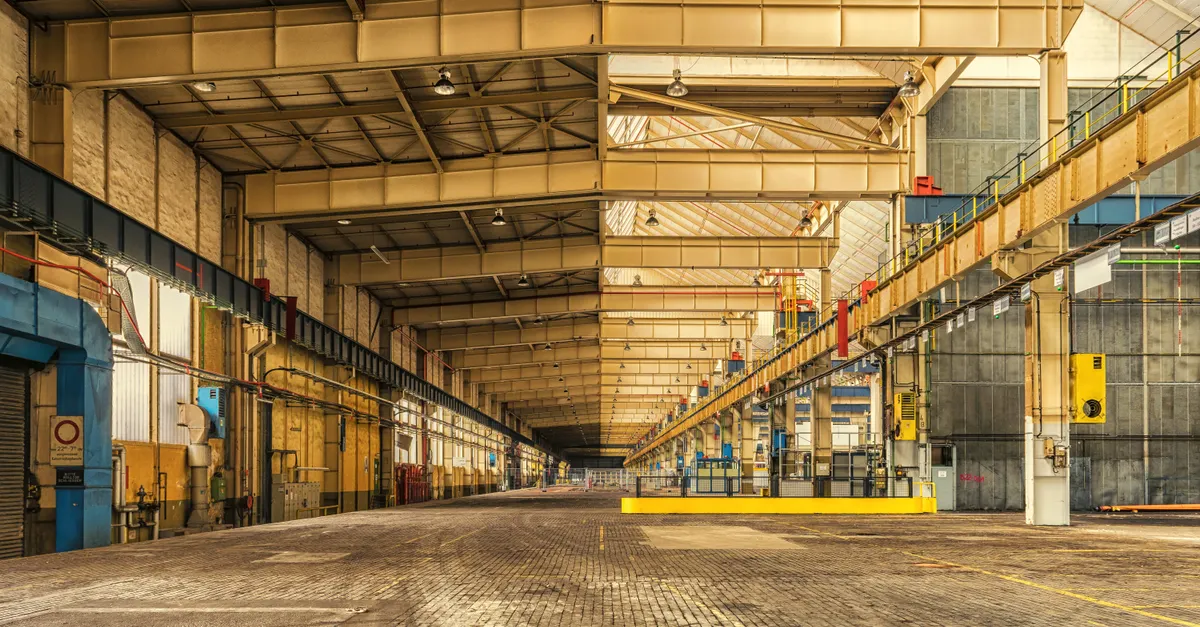
Applications and Future Outlook
Prefabricated metal building systems are used in a wide array of sectors, reflecting their adaptability and efficiency. Common applications include:
- Warehouses and distribution centers
- Manufacturing plants
- Agricultural buildings such as barns and storage sheds
- Commercial spaces like retail stores and offices
- Community facilities, including schools and sports halls
- Residential homes and garages
Looking ahead, advancements in design technology, material science, and manufacturing are likely to expand the possibilities for metal building systems. Innovations such as improved building insulation materials, smart automation, and eco-friendly coatings are expected to enhance both performance and sustainability. As the construction industry continues to prioritize speed, flexibility, and environmental responsibility, prefabricated metal solutions are poised to play an even greater role in shaping the built environment.
Frequently Asked Questions
What are the main differences between prefabricated metal buildings and traditional construction?
Traditional construction typically involves building on-site from the ground up, using materials like wood, brick, or concrete. In contrast, prefabricated metal building systems are manufactured off-site and assembled quickly at the location, resulting in faster project completion, reduced labor costs, and less material waste.
How much do prefabricated metal building systems cost?
Costs can vary based on size, customization, and location, but these systems are generally more cost-effective than traditional construction due to streamlined manufacturing and reduced on-site labor. For a more detailed breakdown, see this metal building systems cost analysis.
Are prefabricated metal buildings suitable for residential use?
Yes, these systems are increasingly used for homes, garages, and accessory buildings. Their flexibility in design and energy efficiency make them a viable option for residential projects, especially for those seeking modern, sustainable living spaces.