
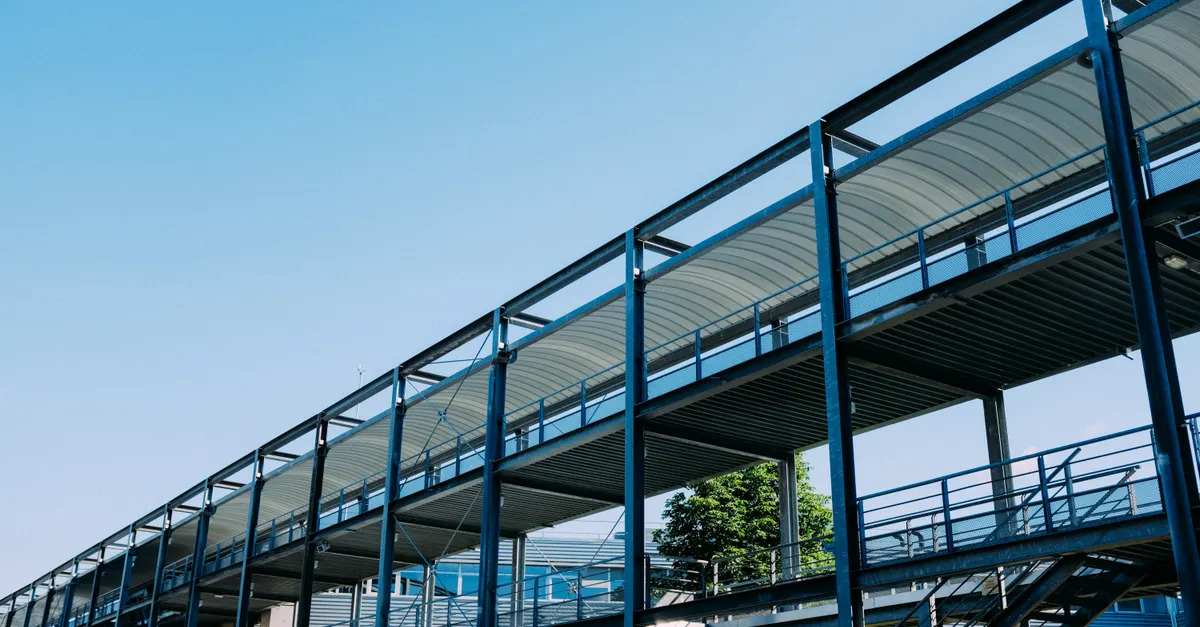
When it comes to choosing the right construction method for your next project, understanding the differences between metal building systems and traditional construction is crucial. This comparison is important for anyone looking to build efficiently, cost-effectively, and sustainably. Whether you’re constructing a commercial space, an industrial facility, or even a residential home, knowing the pros and cons of each method can help you make an informed decision. For more insights on the advantages of metal building systems, you can explore the metal building systems advantages.
Quick Comparison
| Aspect | Metal Building Systems | Traditional Construction |
|---|---|---|
| Efficiency | High due to pre-engineered components | Lower, more labor-intensive |
| Cost | Generally 10-20% cheaper | Higher due to labor and material costs |
| Durability | Excellent, especially in harsh climates | Good, but varies with materials used |
| Energy Efficiency | Enhanced with modern insulation | Varies, often less efficient |
| Best For | Projects up to two stories | Complex layouts and taller buildings |
For a deeper dive into the cost implications, you might find the metal building systems cost analysis useful.
Metal Building Systems
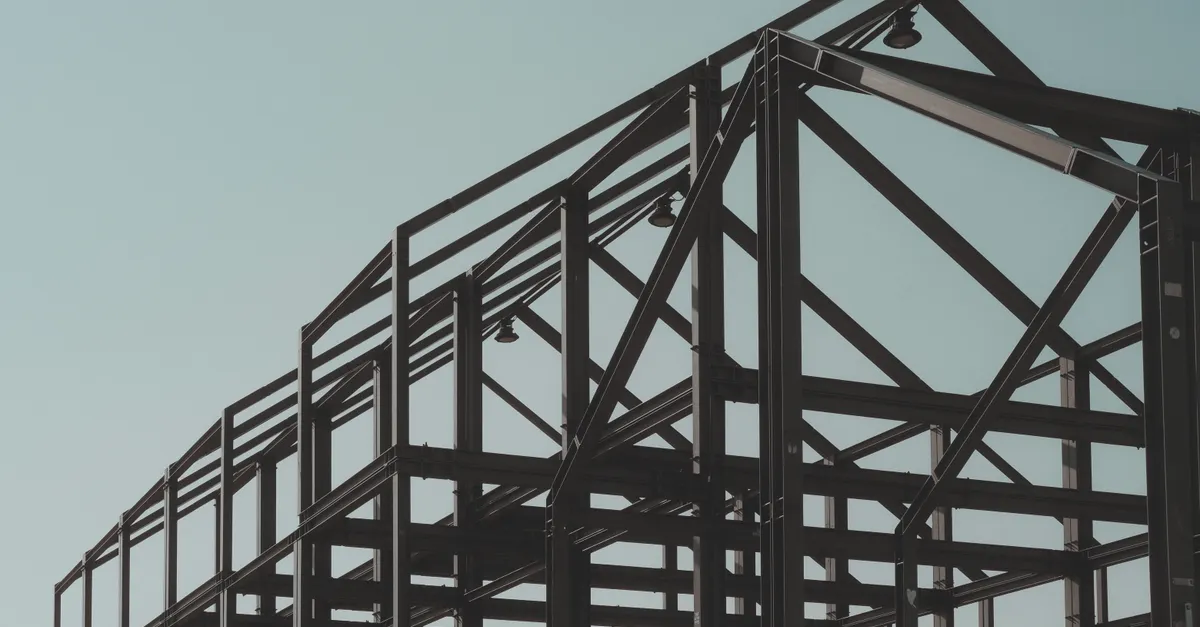
Metal building systems, often referred to as Pre-Engineered Metal Buildings (PEMBs), are known for their efficiency and cost-effectiveness. These systems are designed with standardized components that make construction faster and more predictable. They are particularly suitable for buildings up to two stories, offering a streamlined construction process that reduces labor costs and time.
Pros
- Cost-effective with potential savings of 10-20% over traditional methods
- High efficiency due to pre-engineered components
- Superior durability and structural strength
- Enhanced energy efficiency with modern insulation
Cons
- Limited to simpler designs and lower heights
- Less flexibility for complex architectural designs
Traditional Construction
Traditional construction methods involve building on-site with materials like wood, brick, and concrete. This method is often chosen for its flexibility in design and suitability for complex layouts and taller structures. However, it tends to be more labor-intensive and costly due to the extensive use of skilled labor and diverse materials.
Pros
- Highly flexible for complex and custom designs
- Suitable for taller buildings and intricate layouts
- Proven durability with traditional materials
Cons
- Higher costs due to labor and material expenses
- Longer construction times
- Potentially less energy efficient
Head-to-Head Comparison
When comparing metal building systems and traditional construction, several factors come into play. In terms of performance, metal buildings excel with their standardized components that enhance construction efficiency and predictability. Traditional methods, while more flexible, require more time and labor. Build quality in metal systems is robust, particularly in harsh climates, offering superior durability and structural integrity. Pricing for metal buildings is generally more affordable, providing significant savings. However, traditional construction might be preferred for projects requiring complex designs or taller structures. Ultimately, the best choice depends on the specific needs of the project, such as design complexity, budget constraints, and environmental considerations.
Which One Should You Choose?
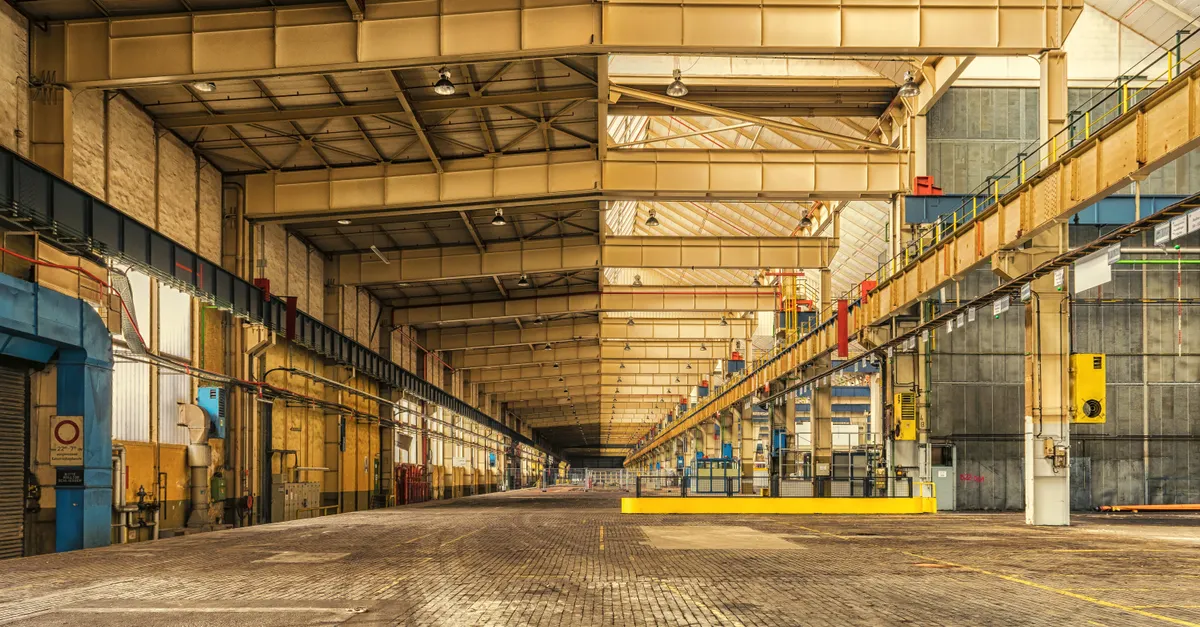
Choosing between metal building systems and traditional construction depends largely on your specific needs and project requirements. If cost savings and efficiency are your primary concerns, and your project is relatively straightforward, metal building systems are an excellent choice. They offer quick assembly and reduced costs, making them ideal for warehouses, industrial facilities, and smaller commercial buildings. On the other hand, if your project involves complex architectural designs or requires a taller structure, traditional construction might be more suitable. It provides the flexibility needed for custom designs and is well-suited for residential homes and multi-story buildings.
Frequently Asked Questions
What are the main differences between metal building systems and traditional construction?
The primary differences lie in the construction process, materials used, and cost. Metal building systems use pre-engineered components for efficiency, while traditional construction involves on-site building with various materials, offering more design flexibility but at a higher cost.
How do costs compare between metal building systems and traditional construction?
Metal building systems are generally 10-20% cheaper due to reduced labor and material costs, whereas traditional construction tends to be more expensive due to its labor-intensive nature and diverse material requirements.
What are the advantages of metal building systems in terms of efficiency and durability?
Metal building systems are highly efficient due to their pre-engineered components, which streamline construction and reduce costs. They also offer superior durability, particularly in harsh climates, thanks to their robust structural integrity.
In what scenarios are traditional construction methods more suitable than metal building systems?
Traditional construction is more suitable for projects requiring complex architectural designs, taller buildings, or when a high degree of customization is needed. It offers flexibility that metal building systems may not provide.
How do environmental factors affect the choice between metal and traditional construction?
Environmental factors such as climate can influence the choice. Metal buildings are often preferred in harsh climates due to their durability, while traditional methods may be chosen for their aesthetic appeal and flexibility in milder climates.