
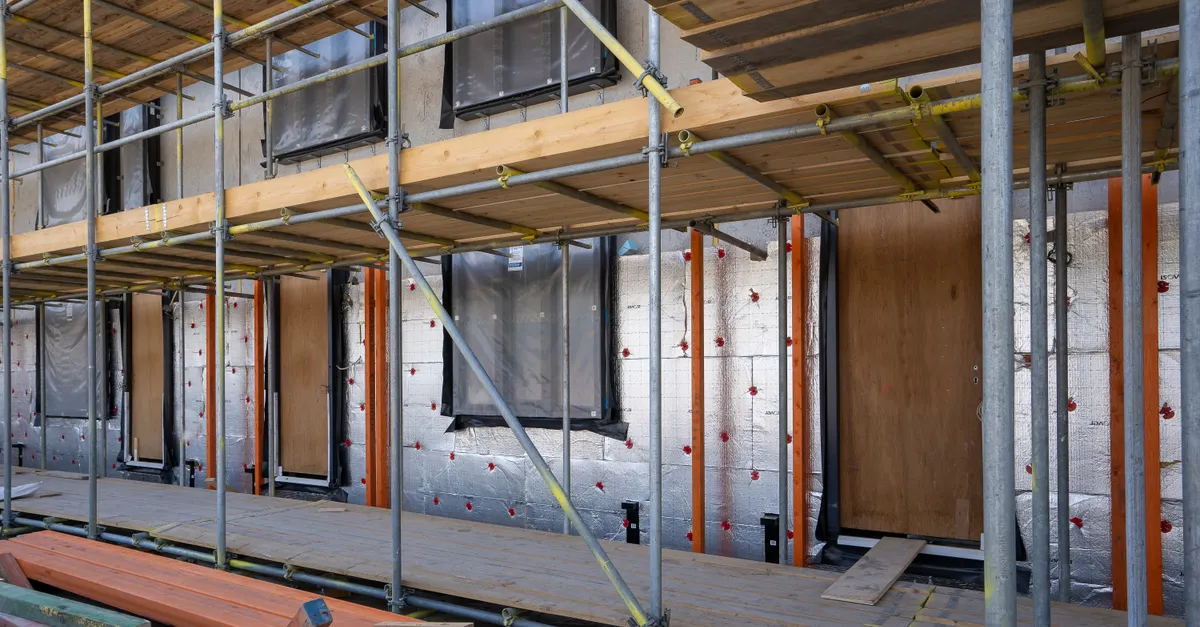
Insulated metal building systems have become a popular solution for commercial, industrial, and even residential construction projects. Their rise in popularity is largely due to their ability to deliver strong energy efficiency, cost savings, and design flexibility. As energy codes become stricter and operational costs rise, more builders and property owners are seeking ways to improve thermal performance and reduce long-term expenses. This guide explores what makes these systems effective, the types of insulation available, their impact on energy use, cost considerations, and installation best practices.
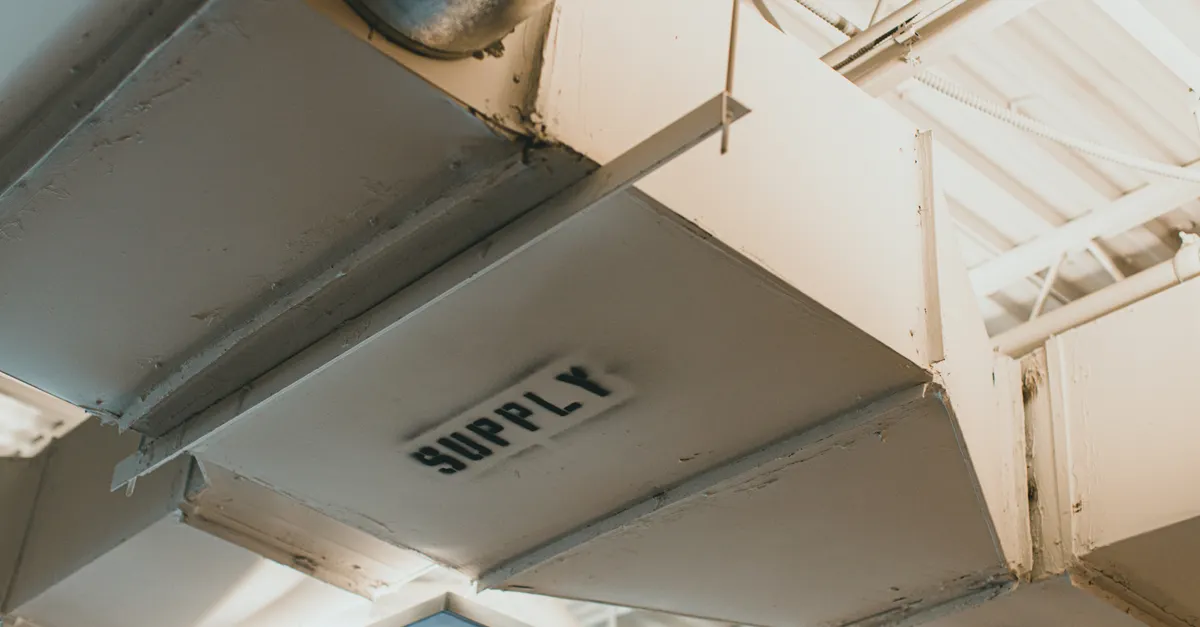
Understanding Insulated Metal Building Systems
Insulated metal building systems are structural frameworks made primarily from steel, featuring integrated insulation to enhance thermal performance. These systems are engineered to provide both the structural integrity of metal construction and the energy-saving benefits of modern insulation. They are commonly used in warehouses, manufacturing facilities, agricultural buildings, and increasingly in homes and offices. The core idea is to combine the durability and speed of metal construction with advanced insulation to create buildings that are comfortable, efficient, and cost-effective to operate.
A typical insulated metal building includes metal panels for the roof and walls, a steel frame, and one or more types of insulation. The insulation is either installed between the metal panels and the frame or as part of a composite panel. This design helps maintain indoor temperatures, reduce energy consumption, and meet or exceed building energy codes.
Types of Insulation Used in Metal Building Systems
There are several types of insulation commonly used in metal buildings, each with its own advantages and applications. The choice depends on the building’s purpose, climate, and budget.
- Fiberglass Blanket Insulation: This is one of the most widely used options. It consists of flexible fiberglass batts or rolls, often faced with a vapor barrier to control moisture. Brands like Silvercote and Therm-All offer high-quality fiberglass systems designed specifically for metal buildings.
- Rigid Board Insulation: Made from materials like polyisocyanurate or extruded polystyrene, rigid boards offer high R-value per inch and are often used in roofs and walls where space is limited or higher insulation performance is needed.
- Spray Foam Insulation: This type is applied directly to the interior surfaces of the building. It expands to fill gaps and provides an effective air seal, which can be especially useful in complex or irregular spaces.
- Insulated Metal Panels (IMPs): These are factory-assembled panels that sandwich a layer of rigid foam insulation between two metal sheets. IMPs offer excellent thermal performance and are quick to install, making them a popular choice for projects where speed and efficiency are priorities.
Each insulation type has specific benefits. For example, fiberglass is cost-effective and easy to install, while IMPs provide superior air and vapor barriers. The selection should be based on the building’s energy goals, climate zone, and intended use.
How Insulated Metal Building Systems Enhance Energy Efficiency
The primary reason many builders choose insulated metal building systems is their ability to significantly improve a structure’s energy efficiency. This is achieved through a combination of high-quality insulation, airtight construction, and the reflective properties of metal panels.
Thermal performance is measured by the insulation’s R-value, which indicates its resistance to heat flow. According to insulation R-values guidance, high R-value insulation options are available specifically for metal buildings, helping to minimize heat transfer through walls and roofs. Butler Manufacturing also engineers their insulation systems for optimal thermal performance, which translates into lower heating and cooling costs throughout the year.
Energy codes in many regions now require minimum insulation standards for commercial and industrial buildings. As noted by Therm-All, complying with these codes is not only a legal requirement but also a practical way to reduce operational costs over the building’s lifetime. Properly insulated metal buildings can maintain more stable indoor temperatures, reducing the workload on HVAC systems and leading to noticeable savings on utility bills.
Additional energy efficiency benefits include:
- Reduced Air Leakage: Insulated panels and properly installed vapor barriers help prevent unwanted air infiltration, which is a major source of energy loss in traditional buildings.
- Moisture Control: Many insulation systems include vapor barriers that help control condensation and protect against mold or corrosion.
- Reflective Surfaces: Metal panels can reflect solar radiation, reducing heat gain during hot months and further lowering cooling costs.
For those considering sustainable construction, these systems also contribute to lower carbon footprints by reducing overall energy demand. This makes them an attractive option for environmentally conscious builders and organizations.
Cost Analysis: Investment and Long-Term Savings
While the initial investment in insulated metal building systems can be higher than in non-insulated or conventionally insulated structures, the long-term benefits often outweigh the upfront costs. Understanding the financial implications is crucial for making an informed decision.
Initial Costs: The price of insulated metal buildings depends on several factors, including the type and thickness of insulation, building size, complexity, and local labor rates. Insulated metal panels and high R-value systems typically cost more per square foot than basic fiberglass blankets, but they offer better performance and faster installation.
Operating Savings: The key financial advantage comes from reduced energy bills. By minimizing heat transfer and air leakage, these systems lower the demand on heating and cooling equipment. Over time, the energy savings can offset the higher upfront investment, especially in climates with extreme temperatures.
Maintenance and Durability: Metal buildings with integrated insulation tend to require less maintenance than traditional structures. The materials are resistant to pests, mold, and rot, which can further reduce long-term costs.
To help with budgeting, many property owners turn to resources like metal building systems cost analysis to get a clearer picture of expected expenses and savings. This kind of detailed breakdown can be invaluable for planning and justifying the investment.
Pros:
- Lower energy bills over the building’s lifespan
- Potential for tax incentives or rebates for energy-efficient construction
- Reduced maintenance and repair costs
Cons:
- Higher initial investment compared to non-insulated systems
- Specialized installation may require experienced contractors
Best Practices for Installation
Proper installation is essential to maximize the benefits of insulated metal building systems. Following best practices ensures not only energy efficiency but also the longevity and safety of the structure.
- Plan for Code Compliance: Ensure the design meets or exceeds local energy codes for insulation and vapor barriers. This may involve selecting specific R-values or insulation types.
- Use Qualified Installers: Experienced contractors familiar with metal building systems and insulation products like those from Silvercote or Therm-All can help avoid common mistakes that lead to air leaks or thermal bridging.
- Seal Joints and Penetrations: All seams, joints, and penetrations should be properly sealed to prevent air and moisture infiltration. This includes around doors, windows, and utility entries.
- Maintain Vapor Barriers: Install vapor barriers where required, especially in humid climates, to control condensation and protect the building envelope.
- Follow Safety Guidelines: Adhere to OSHA compliance standards during installation to protect workers and ensure a safe construction site.
Choosing the right insulation tools and materials, and working with reputable suppliers, can further streamline the installation process and improve results.
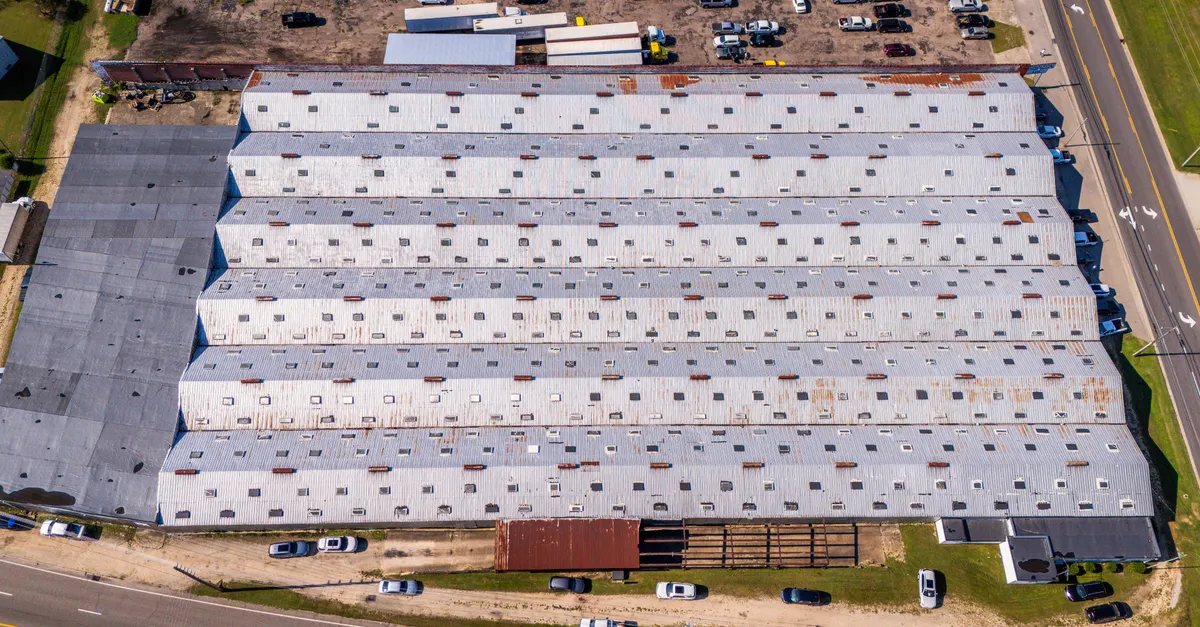
Conclusion
Insulated metal building systems offer a compelling combination of energy efficiency, durability, and long-term cost savings. By selecting the right insulation type, ensuring proper installation, and understanding the cost-benefit dynamics, builders and property owners can create structures that are comfortable, sustainable, and economical to operate. As energy codes continue to evolve, investing in high-performance insulated systems is not just a smart choice for today, but a future-proof strategy for tomorrow’s building needs.
Frequently Asked Questions
What are the main types of insulation used in metal buildings?
The most common types include fiberglass blanket insulation, rigid board insulation, spray foam, and insulated metal panels. Each offers different levels of thermal performance and is suited to specific applications and budgets.
How do insulated metal building systems help reduce energy costs?
By minimizing heat transfer and air leakage, these systems help maintain stable indoor temperatures, reducing the workload on heating and cooling systems. This leads to lower utility bills and improved comfort year-round.
Are insulated metal building systems more expensive than traditional construction?
The initial investment can be higher, especially for advanced insulation options, but the long-term energy savings and reduced maintenance costs often offset the upfront expense. A detailed cost analysis can help determine the best choice for your project.