
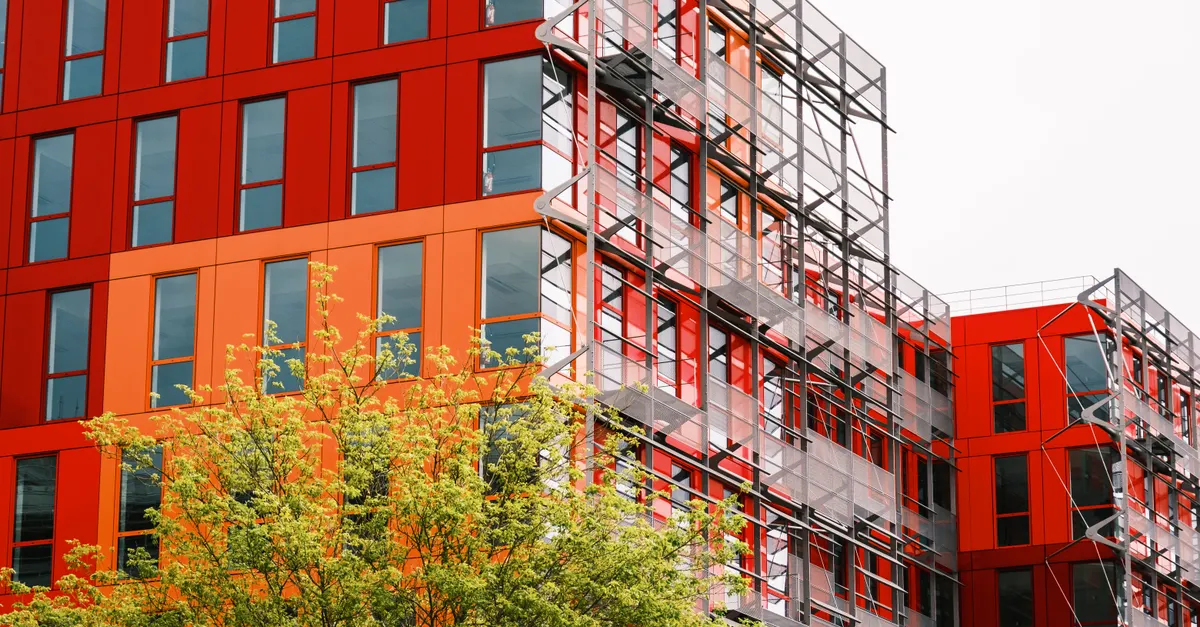
In the world of commercial construction, the choice of materials can make a significant difference in both environmental impact and operational efficiency. Sustainable materials are gaining traction for their ability to reduce carbon footprints and enhance building performance. They offer a path to eco-friendly construction that aligns with modern environmental standards, ensuring that buildings are not only functional but also environmentally responsible.
However, selecting the right sustainable materials can be challenging. The market is flooded with options that often look similar, making it difficult to discern which materials truly offer sustainability benefits. This guide focuses on key sustainable materials for commercial buildings, highlighting their unique advantages and how they can be effectively integrated into construction projects.
Sustainable Materials Reviews
1Commercial Building Construction: Materials and Methods
Best For: Comprehensive Overview
This book is a go-to resource for understanding the materials and methods used in commercial construction, offering a broad perspective on sustainable practices.

Comprehensive coverage of materials
Focus on sustainable practices
May be too detailed for beginners
Why We Like It
This book is known for its in-depth exploration of commercial building materials, making it an invaluable resource for professionals seeking to integrate sustainability into their projects. It covers a wide range of materials, providing insights into their applications and benefits. While it is comprehensive, this level of detail might be overwhelming for those new to the field. However, for seasoned professionals, it offers a wealth of information that can guide sustainable construction practices.
2Materials for Sustainable Sites
Best For: Practical Application
This guide is ideal for those looking to apply sustainable materials in real-world projects, offering practical advice and insights.

Focus on practical implementation
Good condition for a used book
Limited stock availability
Why We Like It
This book excels in providing actionable guidance for using sustainable materials effectively in commercial projects. It emphasizes practical application, making it a valuable tool for architects and builders looking to implement eco-friendly practices. While the book is a used copy, it remains in good condition, offering a cost-effective way to access its insights. The limited stock might be a drawback, so interested buyers should act quickly.
- Used Book in Good Condition
How to Choose Sustainable Materials

Understanding Sustainability Criteria
When evaluating building materials for sustainability, consider factors such as renewable resources, low embodied energy, and recyclability. These criteria help ensure that the materials not only reduce environmental impact but also contribute to long-term sustainability.
Benefits of Sustainable Materials
Sustainable materials offer numerous benefits, including improved indoor air quality and reduced carbon footprint. They also contribute to energy efficiency and water conservation, making them a smart choice for eco-conscious builders.
Implementation Strategies
Integrating sustainable materials into commercial building designs requires careful planning. Consider the specific needs of the project and how materials like recycled plastic building materials can be used effectively to enhance sustainability.
When evaluating the sustainability of building materials, it is essential to consider several key criteria. First, the source of the material plays a crucial role; materials derived from renewable resources, such as bamboo or sustainably harvested wood, are preferable. Additionally, the embodied energy of a material, which refers to the total energy required to produce it, should be low to minimize environmental impact. Materials that can be recycled or are made from recycled content, like bespoke ceramic tiles with recycled materials, as noted by Materials Assemble, also contribute to sustainability by reducing waste and conserving resources.
Another important factor is the non-toxicity of the material. Sustainable materials should not release harmful chemicals into the environment or indoor spaces, thus ensuring better indoor air quality. Natural clay plaster, for instance, is praised for its ability to improve indoor air quality and regulate humidity, according to Materials Assemble. Furthermore, the durability and longevity of materials are critical, as they reduce the need for frequent replacements, thereby conserving resources and energy over the building’s lifecycle.
Despite the clear advantages of sustainable materials, integrating them into commercial building projects can present challenges. One significant hurdle is the higher initial cost associated with some sustainable materials, which can deter builders focused on upfront budgets. Additionally, there may be a lack of knowledge or expertise in implementing these materials effectively, requiring additional training or consultation with specialists. Moreover, the availability of certain sustainable materials might be limited, leading to potential delays in project timelines.
To overcome these challenges, builders can adopt strategies such as phased implementation, where sustainable materials are introduced gradually as budget and availability allow. Collaborating with suppliers and industry experts can also provide valuable insights and solutions for effectively incorporating sustainable materials into commercial projects. By addressing these challenges head-on, the construction industry can continue to advance towards more sustainable and environmentally responsible building practices.
Frequently Asked Questions
What are the most common sustainable materials used in commercial buildings?
Common sustainable materials include recycled steel, bamboo, and reclaimed wood. These materials are chosen for their durability and low environmental impact.
How do sustainable materials benefit commercial building projects?
Sustainable materials reduce energy consumption and improve indoor air quality. They also contribute to lower operational costs and enhance the overall environmental performance of the building.
What challenges might arise when using sustainable materials?
Challenges include higher upfront costs and the need for specialized knowledge to implement these materials effectively. However, the long-term benefits often outweigh these initial hurdles.
Conclusion
As the demand for eco-friendly construction grows, understanding and utilizing sustainable materials becomes increasingly important. By focusing on materials that offer environmental benefits and practical applications, commercial builders can create structures that are both efficient and sustainable. Looking ahead, the industry is poised to continue innovating, with new materials and methods that further reduce environmental impact.