
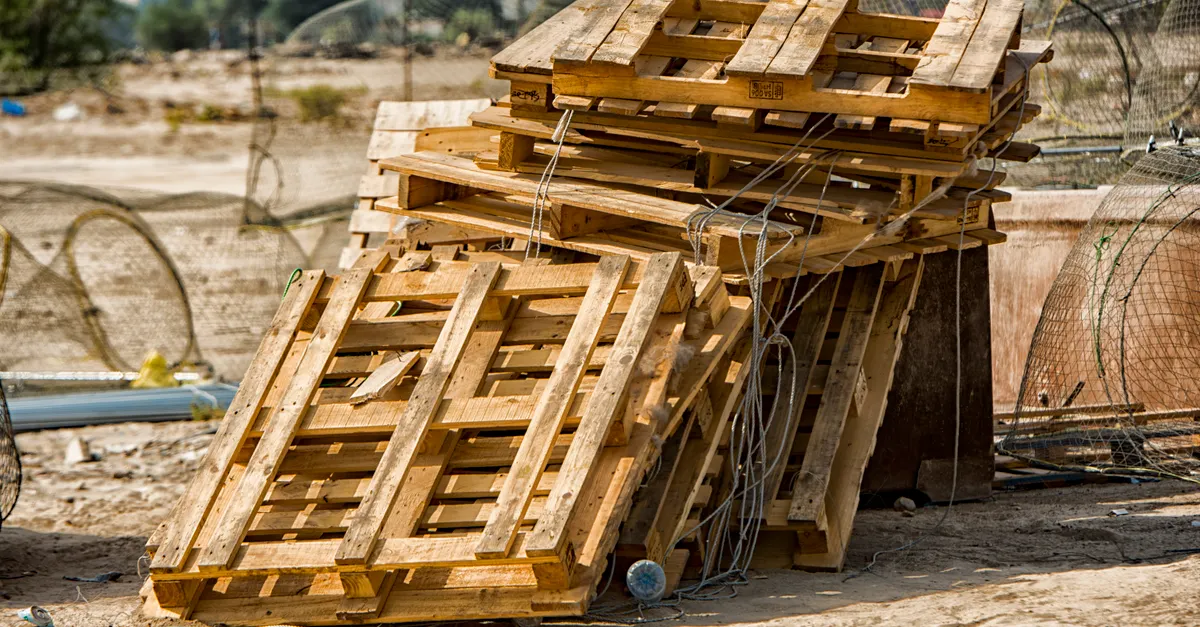
In the quest for sustainable building materials, the debate between recycled wood vs new wood is a significant one. As more people become environmentally conscious, understanding the differences between these two options is crucial for making informed decisions. Whether you’re a builder, a homeowner, or a DIY enthusiast, choosing the right type of wood can impact both the environment and your project’s success. This article will explore the benefits and drawbacks of each, helping you decide which is the best fit for your needs. For those interested in sustainable materials, you might also find insights in our article on using recycled steel in fabrication.

Quick Comparison
| Feature | Recycled Wood | New Wood |
|---|---|---|
| Environmental Impact | High sustainability, reduces waste | Varies, depends on sourcing practices |
| Cost | Potentially lower, but can vary | Generally consistent, can be higher |
| Durability | Can be very durable, depending on source | Typically reliable, consistent quality |
| Aesthetic Appeal | Unique, rustic charm | Uniform, modern look |
| Ideal Use-Case | Eco-friendly projects, rustic designs | New constructions, modern aesthetics |
Recycled Wood
Recycled wood, often referred to as reclaimed or vintage wood, is sourced from old structures like barns and factories. This type of wood is prized for its unique character and environmental benefits. By repurposing existing materials, it reduces the demand for new lumber and minimizes waste.
Pros
- Environmentally friendly, reduces deforestation
- Unique aesthetic with historical character
- Often more affordable, depending on availability
Cons
- Inconsistent quality, may require more processing
- Limited availability, can be hard to source
- Potential for hidden defects or pests
New Wood
New wood is harvested from sustainably managed forests or plantations. It offers a consistent quality and appearance, making it a popular choice for modern construction projects. The use of new wood supports forestry industries and can be sourced sustainably if proper practices are followed.
Pros
- Consistent quality and availability
- Wide range of species and grades
- Supports forestry economies
Cons
- Environmental impact if not sourced sustainably
- Higher cost compared to some recycled options
Head-to-Head Comparison
When comparing recycled wood vs new wood, several factors come into play. In terms of performance, recycled wood can be just as durable as new wood, especially if sourced from old-growth trees. However, new wood offers a more uniform quality, which can be advantageous for precise construction needs.
Features of recycled wood include its unique aesthetic and historical charm, while new wood provides a clean and modern look. The build quality of both types depends largely on the specific wood species and treatment processes used.
In terms of pricing, recycled wood can be more affordable, but this varies based on availability and demand. New wood typically has a stable price point but can be more expensive, especially for high-quality species.
Regarding durability, both types can last for decades if properly maintained. However, recycled wood may require more initial inspection and treatment to ensure longevity.
For different user types, recycled wood is ideal for those prioritizing sustainability and unique aesthetics, while new wood suits those seeking consistency and ease of sourcing.

Which One Should You Choose?
The choice between recycled wood and new wood ultimately depends on your specific needs and values. If sustainability and a unique, rustic look are your priorities, recycled wood is an excellent choice. It’s perfect for projects where character and environmental impact are key considerations.
On the other hand, if you require consistent quality and availability, new wood is the way to go. It’s particularly suitable for large-scale projects where uniformity and ease of sourcing are important.
The sourcing process for recycled wood involves several intricate steps that contribute to its sustainability. Initially, structures such as old barns, factories, or warehouses are identified for deconstruction. Skilled workers carefully dismantle these buildings to preserve the integrity of the wood, which is then sorted and cleaned. This process often includes removing nails, bolts, and other hardware, ensuring the wood is free from contaminants. Once prepared, the wood may undergo additional treatments to enhance its durability and aesthetic appeal before being sold for reuse. This meticulous process not only minimizes waste but also preserves the historical value and unique characteristics of the wood.
In contrast, the sourcing of new wood begins with the harvesting of trees from forests or plantations. The sustainability of this process heavily depends on the forestry practices employed. Responsibly managed forests adhere to guidelines that ensure trees are replanted and ecosystems are maintained, which helps mitigate environmental impact. After harvesting, the wood is processed into various forms, such as planks or beams, and is then distributed to retailers or directly to construction sites. The uniformity and predictability of new wood make it a reliable choice for projects requiring specific dimensions and consistent quality.
Understanding these sourcing processes is crucial for consumers aiming to make informed decisions about the environmental impact and practicality of their material choices. Whether prioritizing the historical charm of recycled wood or the reliability of new wood, each option offers distinct advantages that cater to different project needs and sustainability goals.
Frequently Asked Questions
What are the environmental benefits of using recycled wood?
Recycled wood reduces the need for new lumber, thereby decreasing deforestation and waste. It also repurposes materials that might otherwise end up in landfills.
How do the costs of recycled wood compare to new wood?
Recycled wood can be more affordable, but prices vary based on availability and demand. New wood generally has a more stable price but can be higher depending on the species and quality.
What are the potential downsides of using recycled wood?
Potential downsides include inconsistent quality, limited availability, and the possibility of hidden defects or pests. It may also require more processing and treatment.
How does the sourcing process differ between recycled and new wood?
Recycled wood is sourced from existing structures, requiring careful deconstruction and processing. New wood is harvested from forests or plantations, with sustainability depending on forestry practices.