
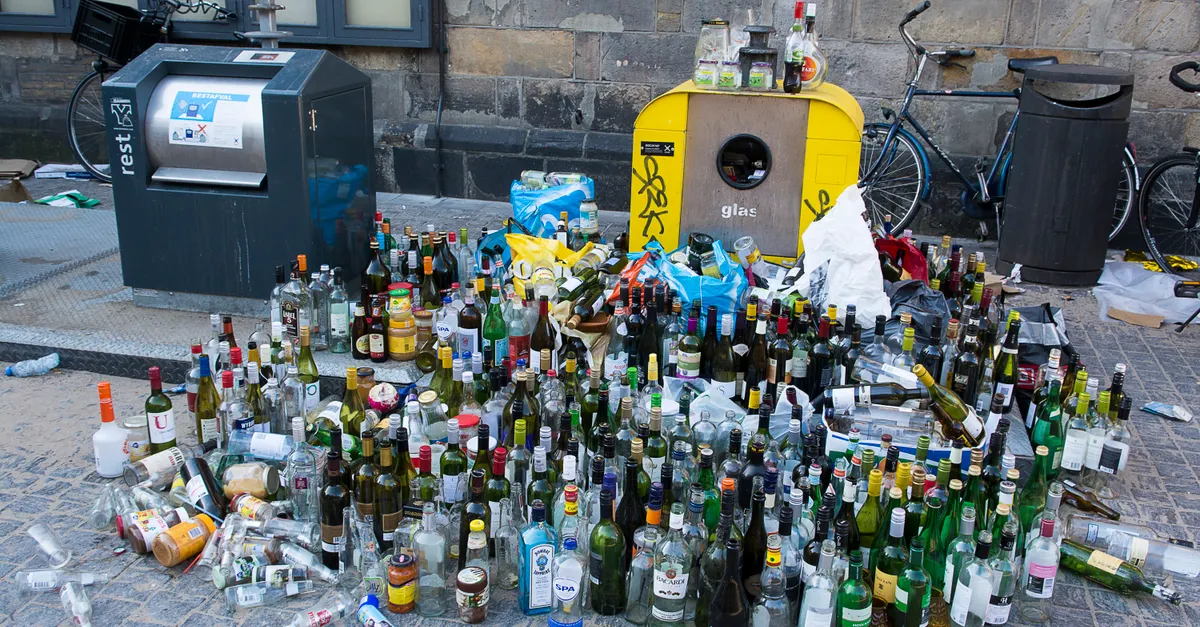
The integration of recycled materials in public spaces has become a defining feature of sustainable urban development. As cities and communities seek ways to reduce environmental impact, the use of repurposed resources in parks, plazas, and communal areas is gaining momentum. This approach not only conserves valuable resources but also fosters community engagement and supports a circular economy. In this article, we’ll explore the environmental and economic benefits, practical design strategies, common challenges, and the future outlook for using recycled content in public environments.
Environmental and Economic Benefits of Recycled Materials
Utilizing recycled materials in the design and construction of public spaces offers significant environmental advantages. According to the U.S. Environmental Protection Agency, recycling reduces the need to extract raw resources such as timber, water, and minerals, which helps preserve natural habitats and biodiversity. Additionally, recycling conserves energy; for example, recycling just ten plastic bottles saves enough energy to power a laptop for more than 25 hours. These savings accumulate on a large scale, making a measurable difference in a city’s overall resource consumption.
The economic impact is equally compelling. The EPA’s Recycling Economic Information (REI) Study found that recycling and reuse activities in the United States accounted for 681,000 jobs, $37.8 billion in wages, and $5.5 billion in tax revenues in a single year. By choosing recycled materials for public projects, municipalities not only reduce landfill waste but also contribute to local economies by supporting jobs in recycling, manufacturing, and construction sectors.
Pros:
- Reduces demand for virgin resources
- Conserves energy and lowers greenhouse gas emissions
- Supports job creation and local economies
- Decreases landfill use and pollution
Cons:
- Potential for higher upfront costs in sourcing or processing recycled materials
- Variability in material quality or supply
- Need for specialized knowledge in design and construction
Design Strategies for Incorporating Recycled Materials
Effectively integrating recycled materials in public spaces requires thoughtful planning and innovative design. Here are several strategies that have proven successful in real-world applications:
- Material Selection Based on Function: Choose recycled content that matches the intended use. For example, recycled plastic lumber is ideal for benches and decking due to its durability and resistance to weather, while reclaimed bricks or concrete can be used for pathways and retaining walls.
- Modular Construction: Employ modular design principles using standardized recycled components. This approach simplifies assembly, allows for easy repairs, and enables future reconfiguration or reuse of materials.
- Blending Aesthetics with Sustainability: Designers can combine recycled glass, metals, or plastics to create visually appealing surfaces, art installations, or signage that also tell a story about sustainability. For example, incorporating recycled metals in architecture can add both structural integrity and unique visual interest.
- Local Sourcing and Community Involvement: Sourcing recycled materials locally reduces transportation emissions and supports nearby recycling programs. Involving the community in material collection or design decisions can foster a sense of ownership and pride in the finished space.
- Flexible, Multi-Use Installations: Public spaces designed with moveable planters, seating, or play equipment made from recycled materials can adapt to changing needs and events, extending the lifespan and utility of each element.
To ensure success, it’s important to follow best practices for using recycled materials in construction and design. This includes verifying material quality, ensuring compatibility with existing infrastructure, and planning for long-term maintenance.
Challenges and Solutions in Recycling for Public Spaces
While the benefits are clear, implementing recycled materials in public environments does present challenges. Common obstacles include inconsistent supply chains, higher initial costs, and concerns about durability or safety standards. Additionally, public perception may sometimes lag behind innovation, with some community members skeptical about the quality or aesthetics of recycled products.
Solutions to these challenges often involve collaboration and education. Municipalities can partner with local recycling facilities to secure a steady supply of materials and negotiate better pricing. Designers and engineers should stay informed about advances in recycled product manufacturing, which continue to improve quality and performance. Public education campaigns can showcase successful projects and highlight the environmental and economic benefits, helping to shift perceptions.
For example, community recycling programs not only reduce waste and landfill use but also improve water and air quality, and increase the availability of recyclable materials for public projects. According to The Recycling Partnership, effective recycling programs can even help attract new residents and retain current ones, demonstrating the broader value of these initiatives.
Community Recycling Programs and Their Role
Community recycling programs play a pivotal role in supporting the use of recycled materials in public spaces. These programs collect, sort, and process materials that can be transformed into new products for use in parks, playgrounds, and other communal areas. By reducing the waste stream and supporting the circular economy, such initiatives ensure a steady supply of materials for future projects.
Engaging residents in recycling efforts can also foster a sense of shared responsibility and pride. Educational outreach, clear signage, and convenient collection points encourage participation and help maintain high-quality material streams. In turn, this supports the creation of public spaces that reflect the values and efforts of the community itself.
For those interested in exploring more about the broader context, the article on recycled materials in urban design offers additional insights into how these principles are shaping cities.
Conclusion and Future Outlook
The use of recycled materials in public spaces is more than a trend—it’s a fundamental shift toward sustainability and community resilience. As recycling technologies advance and public awareness grows, the range and quality of available materials will continue to improve. Cities that invest in these strategies today are not only reducing their environmental footprint but also building more vibrant, inclusive, and adaptable public spaces for the future.
Looking ahead, the integration of recycled content will likely become standard practice in public space design, supported by robust community recycling programs and innovative design strategies. By embracing these approaches, communities can create environments that are both beautiful and beneficial for generations to come.
Frequently Asked Questions
What are the main benefits of using recycled materials in public spaces?
The primary benefits include conserving natural resources, reducing energy consumption, lowering greenhouse gas emissions, and supporting local economies through job creation. Public spaces built with recycled content also help decrease landfill waste and promote environmental stewardship.
How can designers ensure the quality and safety of recycled materials?
Quality assurance involves sourcing materials from reputable suppliers, verifying certifications, and conducting regular inspections. Designers should follow established standards and guidelines for recycled products, and consider pilot testing new materials before large-scale implementation.
What role do community recycling programs play in public space projects?
Community recycling programs supply the raw materials needed for sustainable public space design. They also engage residents, reduce landfill use, and support the circular economy by turning waste into valuable resources for new construction and amenities.