

Incorporating recycled materials into construction projects is becoming increasingly important for both environmental and economic reasons. As the building industry seeks more sustainable solutions, understanding how to use these materials effectively is crucial. This article explores the most effective approaches to integrating recycled content into construction, highlighting the benefits, challenges, and practical considerations. It also addresses when professional expertise is necessary to ensure safety and quality, rather than offering step-by-step DIY instructions.
Understanding Recycled Materials in Construction
Recycled materials refer to substances that have been recovered from previous use and processed for reuse in new products or structures. In the context of construction, these can include items like recycled concrete, steel, glass, plastics, and wood. The use of such materials helps reduce the demand for virgin resources and supports sustainable building practices. Builders and architects are increasingly considering recycled options to meet environmental goals and regulatory requirements, while also managing costs.
Environmental Advantages of Recycled Content
One of the most significant environmental benefits of using recycled materials in construction is the conservation of natural resources. According to the EPA, recycling reduces the need to extract resources such as timber, water, and minerals for new products. This not only preserves ecosystems but also minimizes the environmental footprint of construction activities.
Another major advantage is energy conservation. The EPA highlights that recycling processes, such as those for plastic bottles, use less energy compared to manufacturing products from raw materials. This reduction in energy consumption leads to fewer greenhouse gas emissions, contributing to the fight against climate change.
Additional environmental benefits of recycled materials include decreased landfill waste and lower pollution levels. By diverting construction and demolition debris from landfills, the industry can significantly reduce the volume of waste generated, further supporting sustainability goals.
Key Environmental Benefits
- Resource conservation: Less extraction of raw materials
- Energy savings: Lower energy use in production
- Waste reduction: Diverts materials from landfills
- Lower emissions: Reduces greenhouse gases
Economic Value of Using Recycled Materials
Beyond environmental considerations, there are notable economic benefits to incorporating recycled materials into construction. Recycling and reuse activities in the United States accounted for 681,000 jobs, $37.8 billion in wages, and $5.5 billion in tax revenues in a single year, according to the EPA. These figures underscore the positive impact on local economies and the broader job market.
Using recycled content can also result in cost savings for builders. Materials such as recycled steel or aggregate are often less expensive than their virgin counterparts, especially when sourced locally. Additionally, using recycled materials can help projects qualify for green building certifications, which may offer financial incentives or increase property values.
Economic Pros and Cons
Commonly Used Recycled Materials in Building Projects
A variety of recycled materials are suitable for construction, each with its own set of applications and considerations. Here are some of the most widely used options:
- Recycled concrete: Often used as aggregate for new concrete or road base, recycled concrete is produced by crushing old concrete structures. It offers a sustainable alternative to virgin aggregate and helps reduce construction waste.
- Recycled steel: Steel is one of the most recycled materials in the world. Recycled steel can be used for structural beams, rebar, and other components, maintaining its strength and durability through multiple cycles.
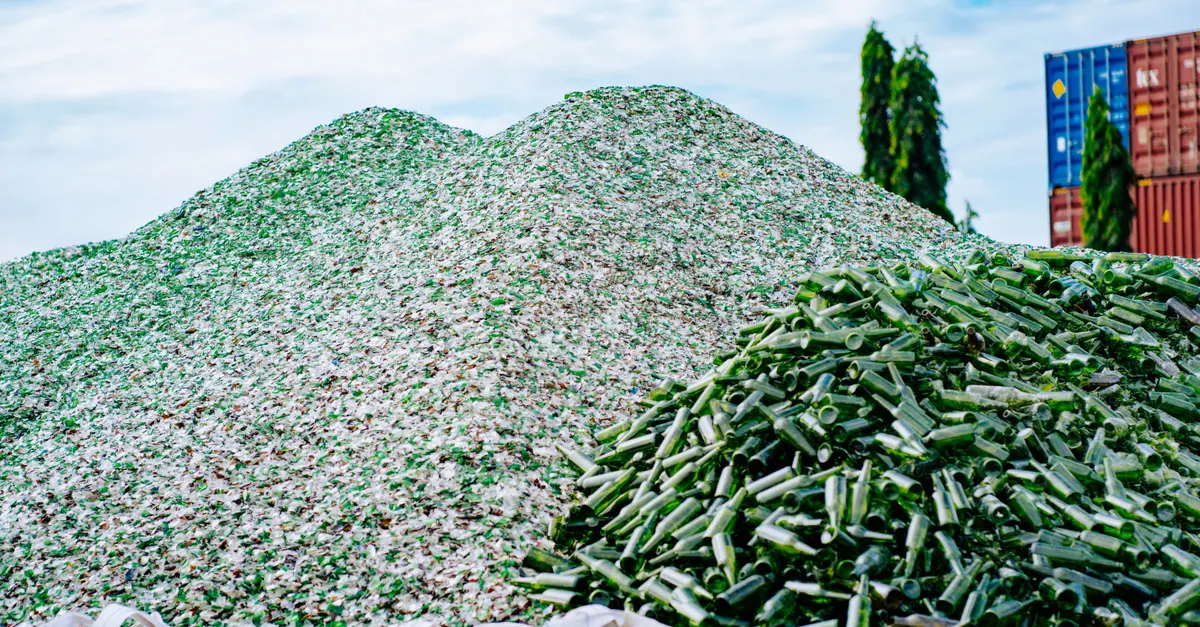
- Recycled glass: Crushed glass, or “cullet,” can be incorporated into concrete, tiles, or decorative finishes, providing both aesthetic and functional benefits.
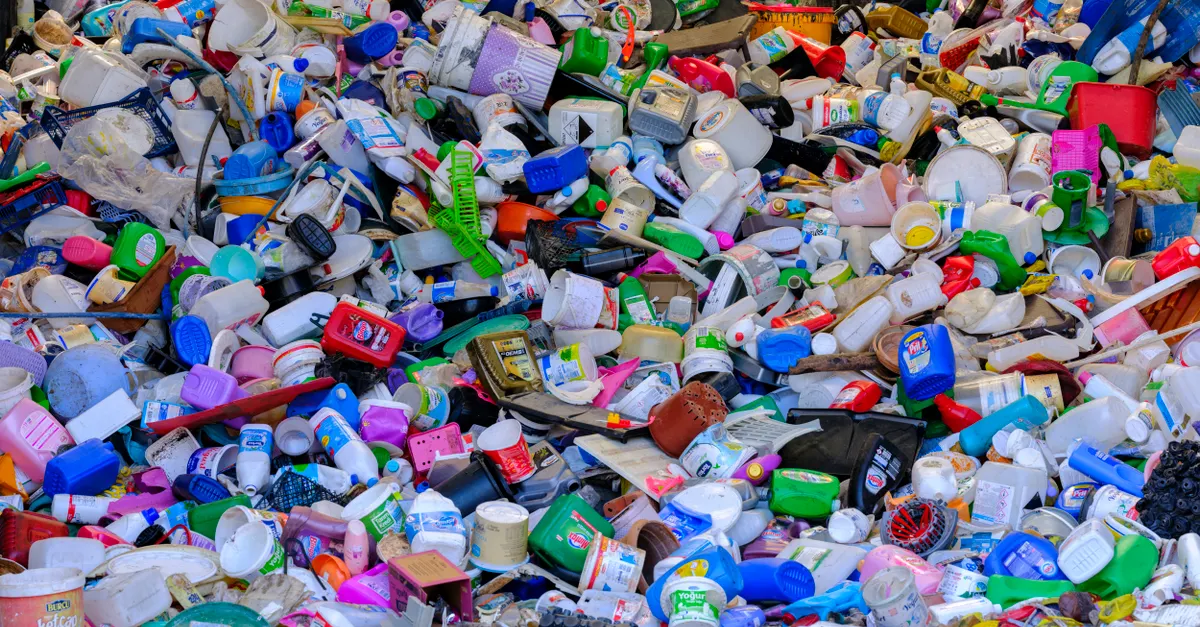
- Recycled plastic: Increasingly, recycled plastics are being formed into lumber, insulation, or even bricks. These materials are lightweight, resistant to moisture, and can contribute to innovative building designs. For more details, see the discussion of recycled plastic building materials.
- Reclaimed wood: Salvaged from old buildings or industrial sources, reclaimed wood is valued for its character and sustainability. It is commonly used for flooring, paneling, and structural elements.
Selecting the right recycled material depends on the project’s requirements, local availability, and the intended application. Consulting with suppliers and professionals can help ensure the chosen materials meet necessary standards for safety and performance.
Best Practices for Using Recycled Materials in Construction
To maximize the benefits and minimize risks, it’s important to follow established best practices for using recycled materials in construction. These guidelines help ensure that projects are both sustainable and structurally sound.
1. Source Materials Responsibly
Work with reputable suppliers who can provide documentation on the origin, processing, and quality of recycled materials. This helps verify that the materials meet relevant standards and are suitable for their intended use.
2. Assess Material Quality and Suitability
Not all recycled materials are appropriate for every application. Conduct thorough inspections and, when necessary, laboratory testing to confirm that materials like recycled concrete or steel meet structural requirements. Professional assessment is especially important for load-bearing elements.
3. Integrate Materials Early in the Design Process
Involving recycled content from the initial design phase allows architects and engineers to optimize their use. Early integration can influence structural choices, aesthetics, and even the selection of eco-friendly insulation or finishes.
4. Comply with Codes and Standards
Building codes and industry standards may have specific requirements for recycled materials. Ensure compliance with local regulations and consult with professionals to address any uncertainties. This is essential for safety and long-term performance.
5. Plan for Waste Management and Recycling On-Site
Establish clear protocols for sorting, storing, and handling recycled materials during construction. This reduces contamination and maximizes the amount of material that can be reused or recycled, supporting a circular approach to building.
6. Monitor Performance and Maintenance
Track the performance of recycled materials over time, particularly in demanding environments. Some materials, like recycled plastic lumber, may require different maintenance routines compared to traditional options. Regular monitoring ensures longevity and safety.
7. Engage Professional Expertise When Needed
While recycled materials offer many advantages, their use in structural or safety-critical applications should always involve qualified professionals. Engineers, architects, and material specialists can help assess risks, ensure compliance, and deliver durable results.
Addressing Challenges and Limitations
Despite the many benefits, there are challenges associated with using recycled materials in construction. These include variability in material quality, limited local availability, and potential compatibility issues with other building components.
To address these challenges:
- Establish strict quality control measures for all recycled content.
- Work closely with suppliers to ensure consistent supply and documentation.
- Stay informed about advances in recycling technology and new material options.
- Consult professionals for guidance on integrating recycled materials into complex projects.
For a deeper look at the advantages of using recycled materials and how to overcome common obstacles, explore resources from industry experts and regulatory bodies.
Looking Ahead: The Future of Sustainable Construction
The construction industry is poised to increase its reliance on recycled materials as technology advances and sustainability becomes a central priority. Innovations in material processing, design, and waste management are making it easier to incorporate recycled content without compromising quality or safety.
As more builders and designers embrace these practices, the industry will continue to reduce its environmental impact and support economic growth. Ongoing collaboration between professionals, suppliers, and regulators will be essential to ensure that recycled materials are used safely and effectively.
Ultimately, the shift toward sustainable construction is not just a trend but a necessary evolution. By following best practices and seeking expert advice where needed, the industry can build a more resilient and responsible future.
Frequently Asked Questions
What are the main environmental benefits of using recycled materials in construction?
The primary environmental benefits include conserving natural resources, reducing energy use, minimizing landfill waste, and lowering greenhouse gas emissions. These advantages help make construction more sustainable and lessen its ecological footprint.
How can recycled materials be integrated into construction projects?
Effective integration involves sourcing quality materials, involving professionals early in the design process, complying with codes, and establishing clear waste management protocols. Early planning and collaboration are key to successful implementation.
What challenges should be considered when using recycled materials?
Challenges include ensuring consistent material quality, meeting regulatory requirements, and managing supply logistics. Professional guidance is recommended, especially for structural applications, to address these issues and ensure safety.