

Modern manufacturing faces increasing pressure to reduce waste, cut costs, and operate more sustainably. As factories grow more complex, traditional waste management approaches often fall short—reacting to problems only after they arise. Predictive waste management systems are transforming this landscape by using data, automation, and artificial intelligence to anticipate and address waste issues before they escalate. These advanced solutions help factories optimize resource use, minimize environmental impact, and improve overall efficiency.
Adopting predictive strategies is especially vital for industries like metal fabrication, where material waste and process inefficiencies can quickly erode profit margins. By leveraging real-time data and analytics, manufacturers can identify trends, forecast potential bottlenecks, and take proactive steps to reduce scrap and emissions. For those interested in broader sustainability initiatives, exploring environmental responsibility in steel companies provides valuable context on industry best practices.
How Predictive Technology Changes Factory Waste Management
Traditional waste handling in factories often relies on scheduled pickups, manual inspections, and after-the-fact reporting. These reactive methods can lead to overflowing bins, missed recycling opportunities, and unnecessary downtime. In contrast, predictive waste management systems use sensors, machine learning, and cloud-based platforms to monitor waste streams in real time. This enables factories to:
- Detect unusual waste patterns early and address root causes
- Automate scheduling for waste collection and recycling
- Forecast future waste volumes based on production trends
- Reduce manual labor and human error in waste tracking
- Comply more easily with environmental regulations
For manufacturers aiming to stay ahead of regulatory changes and market demands, predictive solutions offer a competitive edge. They not only streamline operations but also support broader goals like zero-waste manufacturing and circular economy initiatives.
Core Components of Predictive Waste Solutions
A robust predictive waste management setup typically integrates several key technologies:
- IoT Sensors: Devices installed on waste bins, conveyors, and processing equipment collect data on fill levels, material types, and more.
- Data Analytics Platforms: Cloud-based software aggregates sensor data, applies algorithms, and generates actionable insights.
- Machine Learning Models: AI-driven tools analyze historical and real-time data to predict waste generation and identify inefficiencies.
- Automated Alerts and Scheduling: Systems can trigger notifications or automatically schedule pickups when thresholds are met.
- Integration with Factory Systems: Linking waste data with production management tools enables holistic optimization.
These components work together to provide a continuous feedback loop, allowing factories to adjust processes and reduce waste before it becomes a costly problem.
Benefits of Adopting Predictive Waste Strategies
Implementing predictive waste management brings measurable advantages to manufacturing operations:
- Cost Savings: By reducing unnecessary pickups and optimizing recycling, factories save on disposal fees and material costs.
- Improved Sustainability: Proactive waste reduction supports environmental goals and enhances a company’s reputation.
- Increased Productivity: Automated systems free up staff for higher-value tasks and minimize production interruptions.
- Regulatory Compliance: Real-time monitoring and reporting help maintain compliance with waste and environmental regulations.
- Data-Driven Decision Making: Managers gain deeper insight into waste sources and can target process improvements more effectively.
For those seeking practical advice on minimizing scrap and maximizing resource efficiency, the article on best practices for metal waste reduction offers actionable strategies that complement predictive approaches.
Applications in Metal Fabrication and Heavy Industry
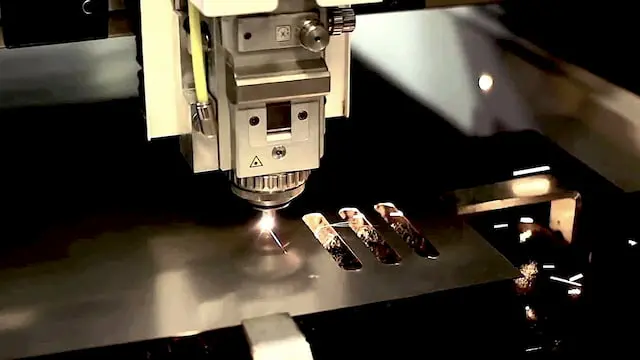
Metalworking and fabrication plants are prime candidates for predictive waste management due to the high volume and variety of materials processed. These facilities often generate scrap metal, offcuts, and hazardous byproducts, making efficient waste handling essential. Predictive systems can:
- Monitor scrap bins and trigger timely pickups to prevent overflow
- Analyze production data to identify sources of excessive waste
- Optimize sorting and recycling of metals and alloys
- Support compliance with environmental standards and certifications
Integrating predictive tools with advanced materials recovery systems further enhances a factory’s ability to reclaim valuable metals and reduce landfill contributions.

Challenges and Considerations for Implementation
While the benefits are clear, adopting predictive waste management is not without challenges. Factories must consider:
- Initial Investment: Upfront costs for sensors, software, and integration can be significant, though ROI is often realized over time.
- Data Security: Protecting sensitive production and waste data is essential, especially when using cloud-based platforms.
- Change Management: Staff training and buy-in are critical for successful adoption of new systems and workflows.
- System Integration: Ensuring compatibility with existing factory management and ERP systems can require careful planning.
Despite these hurdles, the long-term gains in efficiency, sustainability, and compliance make predictive solutions an increasingly popular choice. For a broader look at how the metals industry is evolving, see the overview on the future of sustainable metal manufacturing.
Industry Trends and the Road Ahead
The adoption of predictive waste management is accelerating as more factories embrace Industry 4.0 principles. Key trends include:
- Integration of waste data with broader factory automation and analytics platforms
- Use of AI to optimize not just waste, but also energy and water consumption
- Collaboration with supply chain partners to enable closed-loop recycling
- Increasing focus on transparency and traceability for regulatory and customer demands
Staying informed about these trends helps manufacturers remain competitive and resilient in a rapidly changing market. For those interested in real-world applications, reviewing industrial sustainability case studies metals provides insight into how leading companies are leveraging predictive tools for lasting impact.
Resources and Further Reading
For a deeper dive into the fundamentals of waste management in manufacturing, the article understanding waste management in industrial settings offers a comprehensive overview of principles and practices.
Frequently Asked Questions
What types of factories benefit most from predictive waste management?
Facilities with high material throughput, such as metal fabrication, automotive, and electronics manufacturing, see the greatest gains. These industries generate significant waste volumes and can leverage predictive tools to optimize recycling, reduce costs, and comply with regulations.
How does predictive waste management improve sustainability?
By anticipating waste generation and automating recycling processes, predictive systems help factories minimize landfill contributions, lower emissions, and make more efficient use of raw materials. This supports broader sustainability goals and enhances corporate responsibility.
Is it difficult to integrate predictive waste solutions with existing factory systems?
Integration can be complex, especially in older facilities, but most modern predictive platforms are designed for compatibility with common ERP and production management systems. Careful planning and collaboration with technology providers ensure a smoother transition.