

As global industries strive for sustainability, the intersection of metal recycling and renewable energy is gaining significant attention. Efficient use of resources and the shift toward cleaner energy sources are essential for reducing environmental impact and supporting a circular economy. By combining advanced recycling processes with renewable energy solutions, manufacturers, municipalities, and businesses can lower emissions, conserve raw materials, and create a more resilient supply chain.
This article explores how integrating metal recovery with clean energy initiatives is transforming waste management, manufacturing, and energy production. We’ll cover the environmental and economic benefits, practical implementation strategies, and the challenges faced by organizations pursuing these goals. For those involved in metalworking, understanding these trends is crucial for staying competitive and compliant with evolving regulations.
For those seeking to optimize their metalworking processes, it’s also important to consider best practices for stamping coated steels to minimize waste and maximize material efficiency.
The Role of Metal Recovery in a Sustainable Economy
Recycling metals such as steel, aluminum, copper, and others is a cornerstone of sustainable industrial practices. These materials can be reprocessed indefinitely without significant loss of quality, making them ideal for supporting a circular economy. By recovering and reusing metals, industries reduce the need for virgin ore extraction, which is energy-intensive and environmentally damaging.
The integration of metal recycling and renewable energy is particularly impactful in sectors like construction, automotive, and electronics. Using recycled metals in manufacturing not only conserves resources but also significantly reduces greenhouse gas emissions compared to primary production. For example, producing aluminum from recycled scrap uses up to 95% less energy than creating it from raw bauxite.
How Renewable Energy Powers Modern Recycling Facilities
Traditionally, recycling plants have relied on fossil fuels to power shredders, furnaces, and sorting equipment. However, the adoption of renewable energy sources—such as solar, wind, and hydropower—is transforming the industry. Facilities that utilize clean energy can further decrease their carbon footprint and appeal to environmentally conscious customers and partners.
Some modern recycling operations are installing rooftop solar panels or sourcing electricity from off-site wind farms. This not only reduces operational costs over time but also helps facilities comply with stricter emissions regulations. By pairing renewable energy with efficient recycling processes, companies can achieve greater sustainability and resilience against energy price volatility.
Environmental Benefits of Combining Metal Recovery and Clean Energy
The synergy between metal recycling and renewable energy brings multiple environmental advantages. First, it drastically reduces the volume of waste sent to landfills, as metals are diverted for reuse. Second, when recycling operations are powered by renewables, the overall emissions associated with the process drop even further.
Additionally, this approach helps conserve water and reduces air pollution. For instance, steel recycling uses about 40% less water than primary steelmaking. The reduction in mining activities also means less habitat destruction and lower risk of soil and water contamination.
For those interested in the technical aspects of metalworking, resources like steel stamping edge quality optimization can provide insight into improving production quality while supporting sustainability goals.
Economic and Operational Advantages for Industry
Beyond environmental gains, integrating metal recycling with renewable energy offers tangible business benefits. Lower energy costs, reduced regulatory risks, and enhanced brand reputation are just a few of the advantages. Companies that adopt these practices are often eligible for green certifications and may attract investment from sustainability-focused funds.
Furthermore, recycled metals are often less expensive than newly mined materials, helping manufacturers control costs. As global demand for metals grows, especially for use in batteries, electric vehicles, and renewable infrastructure, a reliable supply of recycled material becomes a strategic asset.
Types of Metals Commonly Recycled and Their Uses
A wide range of metals are suitable for recycling, each with unique properties and applications. Commonly recycled metals include:
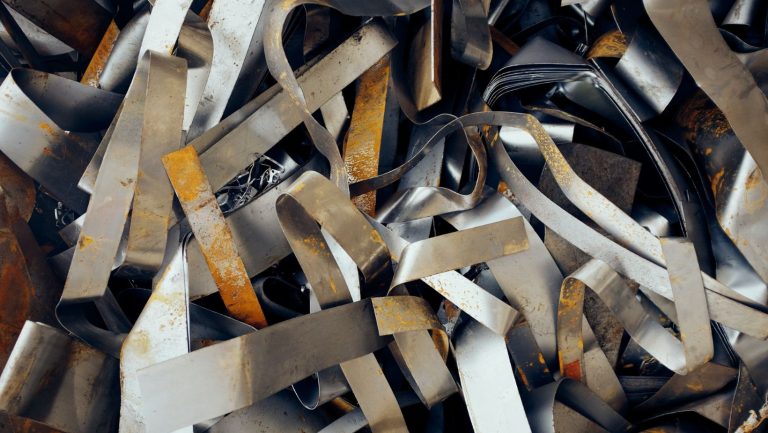
- Steel: Used in construction, automotive, and appliances. Recycled steel is essential for new building projects and infrastructure.
- Aluminum: Found in beverage cans, window frames, and aircraft. Its lightweight and corrosion resistance make it valuable for transportation and packaging.
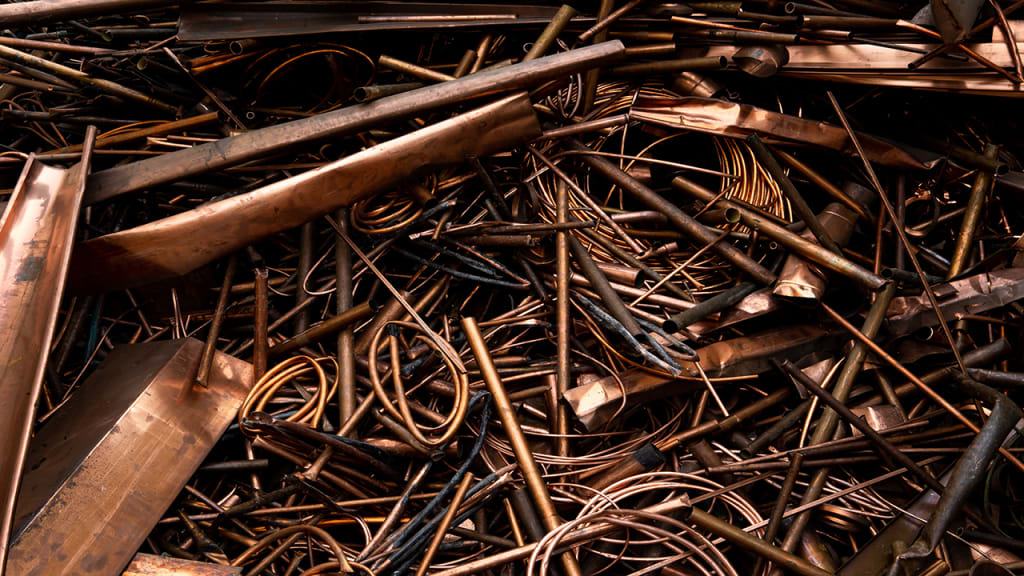
- Copper: Used in electrical wiring, plumbing, and electronics. Recycled copper maintains its conductivity and is in high demand for renewable energy systems.
- Brass and Bronze: Utilized in fittings, valves, and decorative items. These alloys are easily separated and reprocessed.
For a detailed overview of recyclable metals and their characteristics, see this guide to the different types of metal that can be recycled.
Challenges in Merging Recycling with Renewable Power
While the benefits are clear, integrating metal recycling and renewable energy is not without obstacles. Initial investment costs for renewable infrastructure can be high, and not all recycling facilities are located in areas with easy access to clean energy sources. Additionally, fluctuations in scrap metal prices and energy markets can impact profitability.
Technological advancements are helping to address these issues. Improved sorting systems, automation, and energy storage solutions are making it easier for facilities to operate efficiently and reliably. Collaboration between governments, industry groups, and technology providers is also key to overcoming barriers and scaling up these integrated solutions.
Best Practices for Implementation
Organizations looking to combine metal recovery with renewable energy should begin by auditing their current operations. Identifying areas where energy consumption is highest can help prioritize investments in renewables. Partnering with local utilities or renewable energy providers can also make the transition more affordable.
Training staff on new technologies and sustainability practices is crucial. Resources such as how to train operators for steel stamping safety offer guidance on maintaining safety and compliance during operational changes.
Finally, tracking key performance indicators—such as energy usage, emissions reductions, and material recovery rates—will help organizations measure progress and communicate achievements to stakeholders.
Frequently Asked Questions
What are the main environmental benefits of combining metal recycling with renewable energy?
This approach reduces greenhouse gas emissions, conserves natural resources, and minimizes landfill waste. Using renewables to power recycling facilities further decreases the carbon footprint and supports a cleaner environment.
Which metals are most commonly recycled in sustainable manufacturing?
Steel, aluminum, copper, brass, and bronze are among the most frequently recycled metals. These materials retain their properties through multiple recycling cycles and are essential for many industries.
How can companies start integrating renewable energy into their recycling operations?
Companies can begin by assessing their energy needs and exploring options such as solar panels, wind power, or purchasing green energy from local providers. Upgrading equipment and training staff are also important steps for a successful transition.
Conclusion
The convergence of metal recycling and renewable energy is reshaping how industries manage resources and reduce environmental impact. By adopting these integrated strategies, organizations can achieve greater sustainability, operational efficiency, and long-term cost savings. As technology advances and regulations evolve, those who invest in these practices will be well-positioned for future success.