
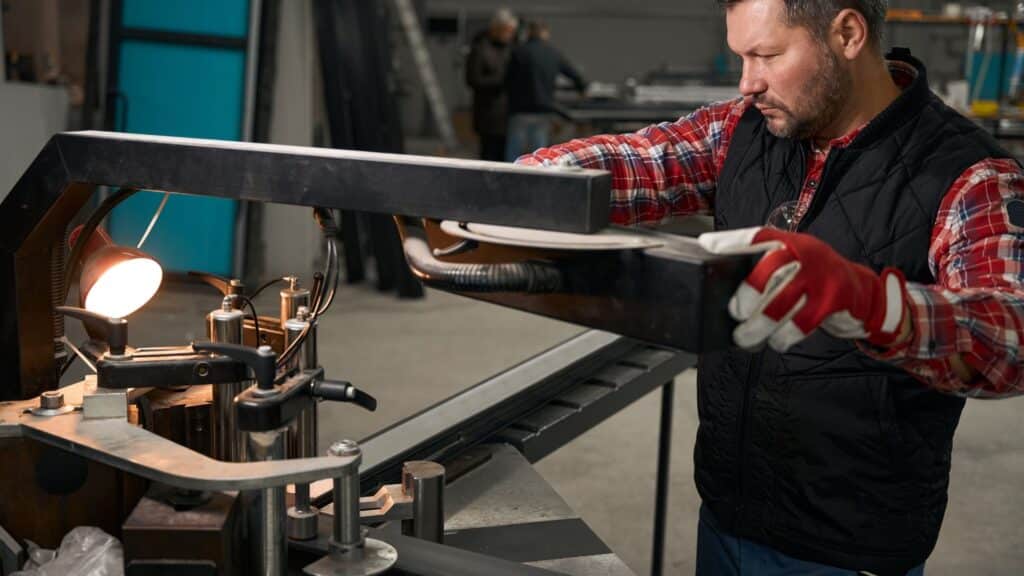
Achieving high first pass yield improvement manufacturing rates is a critical goal for modern production facilities. This metric, often abbreviated as FPY, measures the percentage of products that pass through a manufacturing process without requiring any rework or repair. A higher FPY means fewer defects, lower costs, and greater customer satisfaction. For manufacturers, especially those in metal fabrication and precision engineering, focusing on FPY is essential for staying competitive and maximizing profitability.
Improving FPY involves more than just fixing defects after they occur. It requires a proactive approach to process optimization, quality control, and waste reduction. By understanding the root causes of yield loss and implementing targeted strategies, manufacturers can significantly boost efficiency and reduce scrap. For those interested in broader process optimization, exploring resources like value stream mapping metals industry can provide additional insights into identifying bottlenecks and waste in production lines.
Understanding First Pass Yield in Manufacturing
First pass yield, also known as throughput yield, is a key performance indicator in manufacturing. It represents the percentage of units that are produced correctly the first time, without any need for rework, repair, or scrap. Calculating FPY is straightforward:
- FPY = (Number of good units produced / Total units entering the process) × 100%
For example, if a production line processes 1,000 units and 950 pass inspection without rework, the FPY is 95%. This metric is vital because it directly reflects process capability and efficiency. A low FPY indicates frequent defects, which can lead to increased costs, wasted materials, and delivery delays.
Improving this metric is especially important in industries where precision and consistency are paramount, such as aerospace, automotive, and metal fabrication. By focusing on FPY, manufacturers can identify weak points in their processes and implement corrective actions that yield long-term benefits.
Common Causes of Low FPY in Production Environments
Before implementing improvement strategies, it’s important to understand the typical reasons for low first pass yield in manufacturing settings. Some of the most frequent contributors include:
- Process variability: Inconsistent machine settings, operator errors, or material inconsistencies can lead to defects.
- Poor equipment maintenance: Worn tools, misaligned machines, or outdated equipment often result in off-spec products.
- Inadequate training: Operators who are not fully trained may make mistakes that affect product quality.
- Insufficient quality checks: Skipping or rushing inspections can allow defects to go unnoticed until later stages.
- Material quality issues: Using substandard or contaminated raw materials increases the risk of defects.
Addressing these root causes is the foundation for any successful FPY improvement initiative.
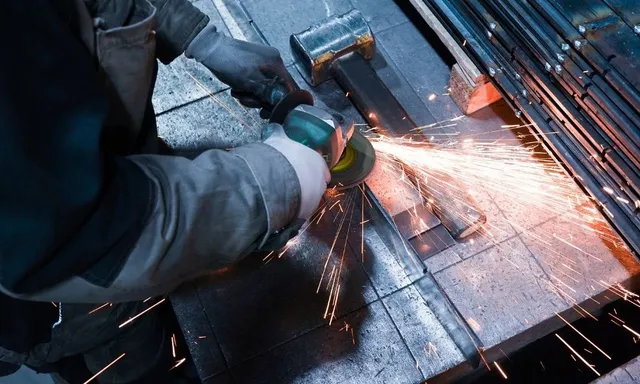
Top Strategies for Boosting First Pass Yield
Enhancing FPY requires a combination of process improvements, technology adoption, and a culture of continuous quality. Here are some proven strategies for manufacturers aiming to increase their yield rates:
1. Standardize Work Instructions and Procedures
Clear, standardized work instructions help ensure that every operator follows the same steps, reducing variability and mistakes. Detailed documentation, visual aids, and regular training sessions can reinforce best practices and minimize errors.
2. Invest in Preventive Maintenance
Regular equipment maintenance is essential for consistent product quality. By scheduling preventive maintenance, manufacturers can avoid unexpected breakdowns and ensure machines operate within specified tolerances. This approach reduces the risk of defects caused by worn or misaligned tools.
3. Implement Real-Time Quality Monitoring
Utilizing sensors, vision systems, and automated inspection tools allows for immediate detection of defects. Real-time monitoring enables operators to address issues as soon as they arise, preventing defective units from progressing further down the line. This not only improves FPY but also reduces the cost and time associated with rework.
4. Analyze and Address Root Causes of Defects
Applying root cause analysis methods, such as the 5 Whys or fishbone diagrams, helps identify underlying issues leading to yield loss. Once root causes are known, targeted corrective actions can be implemented to eliminate recurring problems.
5. Optimize Material Handling and Storage
Proper storage and handling of raw materials prevent contamination and damage, which can lead to defects. Implementing FIFO (first-in, first-out) inventory practices and maintaining clean, organized workspaces contribute to higher FPY.
6. Foster a Culture of Continuous Improvement
Encouraging employees to participate in improvement initiatives, share feedback, and suggest process enhancements creates a proactive environment. Lean manufacturing tools, such as Kaizen events and Six Sigma projects, can drive ongoing improvements in yield and quality.
Waste Reduction and Scrap Management
Reducing waste is closely linked to improving FPY. When fewer products require rework or are scrapped, material costs decrease and overall efficiency rises. Manufacturers can benefit from adopting supplier waste reduction programs metals to ensure that both internal and external sources of waste are addressed. Additionally, effective metal waste management practices help recover value from unavoidable scrap and support sustainability goals.

Leveraging Technology for Higher Yield
Modern manufacturing facilities are increasingly turning to technology to drive improvements in FPY. Some effective approaches include:
- Automation: Automated assembly and inspection systems reduce human error and increase consistency.
- Data analytics: Collecting and analyzing production data helps identify trends, predict failures, and optimize processes.
- Digital twins: Virtual models of production lines allow for simulation and testing of process changes before implementation.
By integrating these technologies, manufacturers can achieve higher levels of precision and repeatability, which directly contribute to better yield rates.
Continuous Improvement and Employee Engagement
Long-term success in yield improvement relies on a culture that values quality and continuous learning. Engaged employees are more likely to spot issues early, suggest improvements, and maintain high standards. Providing regular training, recognizing achievements, and involving staff in problem-solving initiatives are all effective ways to build this culture.
For organizations interested in sustainable practices, exploring end of life metal recycling strategies can complement FPY initiatives by ensuring that any unavoidable scrap is handled responsibly and efficiently.
FAQs About Improving First Pass Yield in Manufacturing
What is a good first pass yield percentage for manufacturing?
While the ideal FPY varies by industry and process complexity, most manufacturers aim for rates above 95%. Highly regulated sectors, such as aerospace or medical device manufacturing, may require even higher percentages to meet strict quality standards.
How often should first pass yield be measured?
FPY should be tracked continuously or at least at the end of each production shift. Frequent measurement allows for timely identification of issues and supports rapid corrective action, helping to maintain high yield rates over time.
Can first pass yield improvement reduce overall manufacturing costs?
Yes, increasing FPY leads to fewer defects, less rework, and reduced scrap, all of which contribute to lower production costs. It also minimizes delays and enhances customer satisfaction by delivering quality products on time.
Conclusion
Improving first pass yield is a multifaceted effort that pays dividends in quality, efficiency, and profitability. By standardizing processes, investing in technology, engaging employees, and focusing on waste reduction, manufacturers can achieve substantial gains in yield and overall performance. For those looking to stay ahead in the competitive manufacturing landscape, prioritizing FPY improvement is a smart and sustainable strategy.