
The metal sector faces constant pressure to enhance efficiency, reduce costs, and meet increasingly strict environmental standards. Continuous improvement in metal industry operations has become essential for maintaining competitiveness, especially when it comes to managing and minimizing waste. By focusing on ongoing process optimization, companies can not only cut unnecessary expenses but also demonstrate environmental responsibility and support long-term sustainability.
Waste control is a critical part of this journey. Whether in fabrication, machining, or recycling, every stage presents opportunities to reduce scrap, improve material yields, and recover valuable resources. Leveraging best practices and innovative technologies, organizations can transform waste management from a cost center into a source of value. For those interested in more advanced strategies, exploring advanced materials recovery systems can provide further insights into maximizing resource efficiency.

Understanding Waste in Metal Manufacturing
Waste in metalworking environments can take many forms, from offcuts and defective parts to excessive energy use and inefficient workflows. Identifying and categorizing these waste streams is the first step toward effective control. The most common types include:
- Material waste: Scrap metal, trimmings, and shavings generated during cutting, forming, or machining.
- Defective products: Items that fail quality checks and must be reworked or discarded.
- Overproduction: Manufacturing more than needed, leading to excess inventory and potential obsolescence.
- Process inefficiencies: Unnecessary movement, waiting times, or poorly maintained equipment that increase operational costs.
By systematically analyzing these areas, companies can prioritize improvement efforts and set measurable targets for waste reduction.
Key Principles of Continuous Improvement for Waste Control
Implementing a culture of ongoing enhancement requires more than occasional audits. It involves a structured approach, often rooted in methodologies like Lean Manufacturing, Six Sigma, or Kaizen. Here are some core principles that drive success in waste management:
- Employee involvement: Engaging workers at all levels to identify problems and suggest solutions.
- Data-driven decision making: Using metrics and real-time monitoring to guide process changes.
- Standardization: Developing clear procedures to minimize variability and errors.
- Incremental improvements: Focusing on small, manageable changes that add up over time.
- Root cause analysis: Addressing the underlying sources of waste rather than just treating symptoms.
These principles not only help reduce scrap and rework but also foster a proactive mindset that supports ongoing efficiency gains.
Best Practices for Reducing Waste in Metal Operations
Adopting proven strategies can significantly cut waste and improve profitability. Some of the most effective practices include:
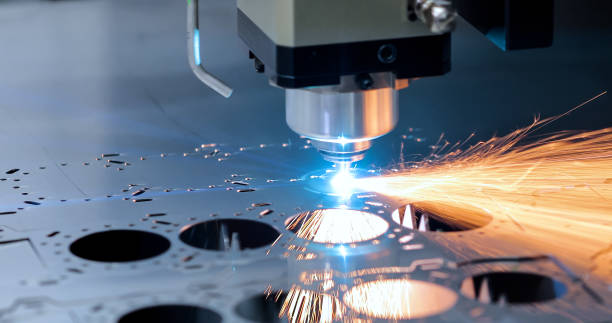
- Optimized material usage: Implementing nesting software and precise cutting methods to maximize yield from raw stock.
- Preventive maintenance: Keeping machines in top condition to avoid breakdowns and off-spec production.
- Quality control integration: Using in-line inspection and digital measurement tools to catch defects early.
- Employee training: Ensuring all staff are skilled in proper handling, measurement, and process controls.
- Recycling and recovery: Separating and collecting scrap for reuse or sale, and investing in systems that recover valuable metals from waste streams.
For a deeper dive into practical solutions, the article on best practices for metal waste reduction offers actionable tips tailored to factory environments.
Leveraging Technology for Process Optimization
Modern metalworking facilities are increasingly turning to digital tools and automation to support continuous improvement in metal industry settings. Examples include:
- Real-time data collection: Sensors and IoT devices track machine performance, material flow, and energy consumption.
- Advanced analytics: Software platforms analyze production data to uncover hidden inefficiencies and predict maintenance needs.
- Automated sorting and recycling: Robotics and smart conveyors streamline scrap handling and material recovery.
These technologies not only reduce manual labor and error rates but also enable faster response to process deviations, supporting a more agile and sustainable operation.

Environmental and Economic Benefits of Ongoing Improvement
Reducing waste in metal processing delivers a dual benefit: it lowers operational costs and minimizes environmental impact. By using fewer raw materials and generating less scrap, companies can decrease disposal fees and improve their bottom line. At the same time, these efforts support compliance with environmental regulations and demonstrate a commitment to sustainability.
For organizations seeking to strengthen their environmental credentials, the environmental responsibility in steel companies guide provides a comprehensive overview of best practices and regulatory considerations.
Furthermore, many customers and partners now expect suppliers to adopt sustainable practices. Demonstrating a robust waste control program can enhance reputation and open doors to new business opportunities.
Learning from Industry Leaders and Case Studies
Real-world examples show how leading companies have achieved significant gains through ongoing process improvement. Case studies often highlight the importance of leadership commitment, cross-functional teams, and investment in new technologies.
To see how these strategies play out in practice, the collection of industrial sustainability case studies metals offers valuable lessons and benchmarks for organizations at any stage of their improvement journey.
Staying Ahead with Innovation and Best Practices
The pace of change in the metal sector means that yesterday’s solutions may not be enough for tomorrow’s challenges. Staying informed about the latest trends—such as new recycling technologies or digital transformation initiatives—can help companies maintain their edge.
For those interested in emerging solutions, the article on innovations in metal recycling technology highlights tools and techniques that are shaping the future of waste control.
Additionally, exploring waste reduction strategies and best practices for metal production can provide actionable insights for teams looking to refine their own processes.
FAQ: Waste Control and Process Optimization in Metalworking
What are the most common sources of waste in metal manufacturing?
The main sources include material offcuts, defective products, overproduction, and process inefficiencies such as equipment downtime or excessive handling. Addressing these areas can yield significant reductions in both cost and environmental impact.
How can technology help reduce waste in metal plants?
Digital tools such as real-time monitoring, advanced analytics, and automated sorting systems enable more precise control over production processes. These technologies help identify inefficiencies, prevent defects, and optimize material usage, supporting ongoing improvement efforts.
Why is employee involvement important in continuous improvement programs?
Frontline workers often have the best insight into day-to-day operations and can identify practical opportunities for waste reduction. Involving employees fosters a culture of accountability and innovation, making improvement initiatives more effective and sustainable.