
As the demand for sustainable resource management grows, the recycling of metals has become increasingly important. However, dealing with multiple types of metals in a single recycling stream introduces a unique set of challenges in multi-metal recycling systems. These systems must efficiently separate, process, and recover various metals, each with its own properties and recycling requirements. Understanding the complexities involved is crucial for improving recovery rates, reducing environmental impact, and supporting a circular economy.
In this article, we’ll explore the technical, operational, and economic obstacles faced by facilities handling mixed-metal waste. We’ll also discuss best practices and innovations that can help overcome these hurdles, drawing on industry experience and recent advancements. For those interested in related aspects of metal processing, you may find the article on how to optimize scrap chute angles particularly relevant to optimizing material flow in recycling operations.
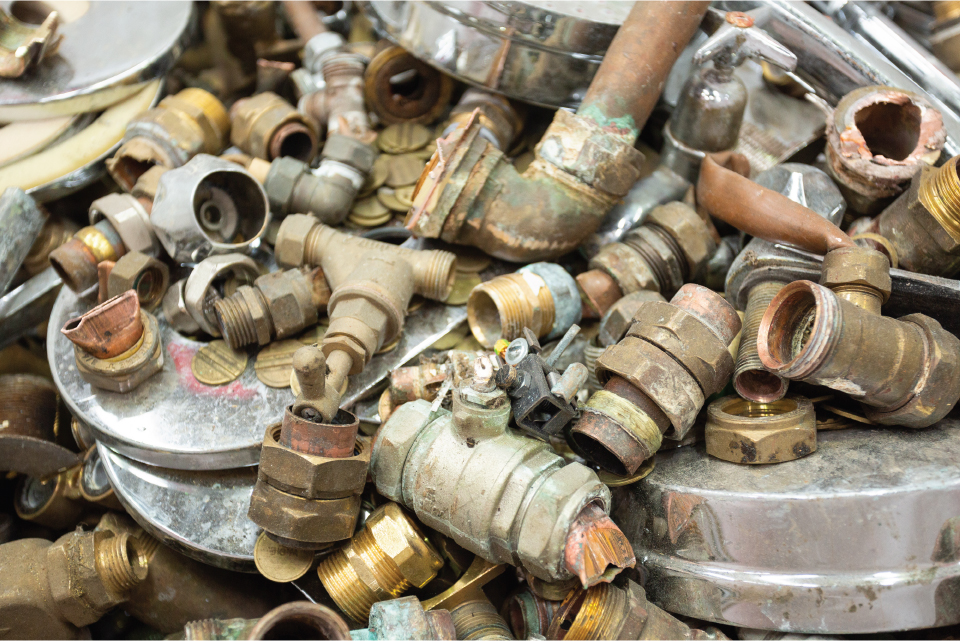
Understanding the Complexity of Mixed-Metal Streams
Unlike single-metal recycling, handling mixed-metal waste streams requires advanced sorting and separation technologies. Metals such as aluminum, copper, steel, brass, and lead often arrive at recycling facilities combined in products like electronics, vehicles, and appliances. Each metal has distinct melting points, densities, and magnetic properties, making separation a significant technical challenge.
Manual sorting is labor-intensive and prone to error, while automated systems must be finely tuned to identify and separate metals with high accuracy. The presence of coatings, paints, and non-metallic attachments further complicates the process, often requiring additional pre-treatment steps before effective recycling can occur.
Key Technical Obstacles in Multi-Metal Recovery
Several technical barriers stand in the way of efficient multi-metal recycling:
- Material Identification: Advanced sensors such as X-ray fluorescence (XRF) and near-infrared (NIR) are used to distinguish between metals, but these technologies can be expensive and require regular calibration.
- Separation Efficiency: Magnetic and eddy current separators are effective for ferrous and non-ferrous metals, but mixed alloys or small particle sizes can reduce recovery rates.
- Contamination: Non-metallic materials, coatings, and residues can contaminate metal streams, reducing the quality and market value of recycled metals.
- Downcycling: When metals are not properly separated, the resulting recycled material may be of lower quality, limiting its applications and economic value.
Facilities must balance the cost of advanced sorting equipment with the potential gains in recovery and purity. For those working with coated metals, guidance on best practices for stamping coated steels can offer insights into minimizing contamination at earlier stages of the product lifecycle.

Economic and Environmental Impacts
The challenges in multi-metal recycling systems extend beyond technical issues. Economic viability is a constant concern, as fluctuating commodity prices and high operational costs can threaten profitability. Facilities must invest in advanced equipment and skilled labor, all while competing with the low cost of virgin metals in some markets.
Environmental considerations are also at the forefront. Inefficient recycling can lead to increased landfill waste and higher greenhouse gas emissions. Proper separation and recovery help reduce the need for primary metal extraction, conserving natural resources and minimizing pollution.
For a deeper understanding of which metals are commonly recycled and their environmental benefits, see this comprehensive overview of recyclable metals.
Innovative Solutions for Multi-Metal Processing
To address these obstacles, the industry is embracing new technologies and process improvements:
- Robotic Sorting: Artificial intelligence and machine vision systems are being deployed to improve the accuracy and speed of metal identification and separation.
- Modular Processing Lines: Flexible, modular systems allow facilities to adapt quickly to changing waste streams and market demands.
- Eco-Friendly Pre-Treatment: Innovative cleaning and de-coating methods help reduce contamination and improve the quality of recycled metals.
- Data-Driven Optimization: Real-time monitoring and analytics enable continuous improvement in sorting efficiency and resource allocation.
Collaboration between manufacturers, recyclers, and policymakers is essential to drive further innovation and standardization across the sector.

Best Practices for Overcoming Recycling Barriers
Adopting best practices can help facilities navigate the complexities of multi-metal recycling:
- Invest in staff training to ensure proper handling and identification of metals.
- Implement regular maintenance and calibration of sorting equipment to maintain high separation efficiency.
- Develop partnerships with upstream suppliers to minimize contamination and improve the quality of incoming materials.
- Stay informed about regulatory changes and emerging technologies that could impact operations.
For those involved in steel processing, understanding steel stamping material yield strength considerations can also contribute to more effective recycling and material recovery strategies.
Future Outlook for Multi-Metal Recycling
The future of multi-metal recycling will likely be shaped by continued technological advancement, stronger regulatory frameworks, and increased public awareness. As more products are designed with recyclability in mind, and as recycling systems become more sophisticated, recovery rates are expected to improve. However, ongoing investment in research, infrastructure, and workforce development will remain essential to overcome persistent obstacles.
Manufacturers can also play a role by designing products that are easier to disassemble and recycle, using fewer mixed materials, and labeling components clearly. These efforts, combined with consumer education and robust recycling infrastructure, can help close the loop and support a more sustainable metal lifecycle.
Frequently Asked Questions
What are the main obstacles in recycling mixed-metal products?
The primary challenges include accurately identifying and separating different metals, dealing with contamination from coatings or non-metallic materials, and maintaining economic viability in the face of fluctuating commodity prices. Advanced sorting technologies and improved product design can help address these issues.
How do recycling facilities separate different metals?
Facilities use a combination of manual sorting, magnetic separation, eddy current separators, and advanced sensor-based technologies such as X-ray fluorescence and machine vision systems. These methods help distinguish between metals based on their physical and chemical properties.
Why is contamination a problem in multi-metal recycling?
Contamination from paints, plastics, or other non-metallic materials can lower the quality and value of recycled metals. It may also require additional processing steps, increasing costs and reducing overall efficiency. Pre-treatment and careful sorting are essential to minimize contamination.
Conclusion
Overcoming the challenges in multi-metal recycling systems is essential for maximizing resource recovery and minimizing environmental impact. By investing in advanced technologies, adopting best practices, and fostering collaboration across the supply chain, the industry can make significant strides toward more efficient and sustainable metal recycling. For further reading on optimizing processes in metalworking and recycling, explore topics such as steel stamping material grain size importance and how to optimize part ejection in stamping to enhance your facility’s performance.